Medical experts have warned that people whose jobs or routines constantly trigger the release of adrenaline face a higher likelihood of developing high blood pressure, anxiety, and sleep disorders if these stress levels are not well managed.
They explained that professionals operating in fast-paced, high-adrenaline environments such as emergency doctors, ICU staff, trauma responders, journalists, and security personnel are especially vulnerable to these health challenges.
In separate interviews with Punch Healthwise, the experts noted that once the body perceives a threat as over, adrenaline levels typically subside, allowing heart rate and blood pressure to stabilise. However, constant exposure to emergencies causes a sustained presence of stress hormones like adrenaline and cortisol, which over time can raise blood pressure and put strain on the heart.
Mental Health America describes adrenaline, also called epinephrine, as a hormone secreted by the adrenal glands in response to perceived danger or excitement. It prepares the body for immediate action by increasing blood flow and triggering physiological changes in the heart, lungs, and brain. Adrenaline, often referred to as the “fight-or-flight” hormone, can also be used medically to manage life-threatening conditions such as severe allergic reactions and cardiac arrest.




When adrenaline is released, the pupils widen to sharpen vision, and blood vessels constrict to redirect oxygenated blood to vital muscles. The heart works harder and faster, resulting in an increase in blood pressure.
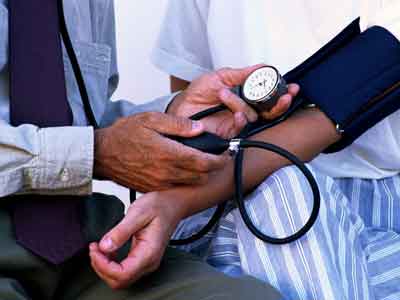
According to the World Health Organisation (WHO), hypertension occurs when blood pressure in the arteries remains elevated (140/90 mmHg or higher). It remains one of the world’s leading causes of death, with around 1.4 million adults aged 30–79 diagnosed globally in 2024.
Sharing his expert insight, Professor of Medicine at the College of Medicine, University of Lagos, Idi-Araba, Mushin, Olufemi Fasanmade, said, “People in these types of jobs tend to run slightly higher blood pressure and blood sugar levels. Their sleep is often reduced, and their hearts are under constant strain.
“When this continues without adequate rest or recovery, it can lead to hypertension, diabetes, obesity, poor sleep, and even mental health challenges such as anxiety and post-traumatic stress disorder.”
The consultant endocrinologist at the Lagos University Teaching Hospital, Mushin, added that while these health issues are treatable, prevention demands deliberate self-care — including rest, physical activity, proper sleep, and mental health support.
“If these stress factors occur back-to-back without any relaxation, they eventually accumulate and manifest as health problems,” he warned.
The Dean of the Faculty of Clinical Sciences at CMUL further cautioned that some professionals in adrenaline-driven jobs may develop a psychological dependence on the constant pressure, making them uneasy when away from work.
“Even addiction to a regular 9-to-5 job where one cannot do without it is not good. One should always be able to take time away from work and from stress and relax and play.
“Some people actually get addicted to high-pressure jobs. When they are removed from that environment, they feel unhappy.
“But that is not a healthy addiction. That’s why taking breaks, exercising, and seeking therapy when needed are vital,” the don explained.
Offering advice on how to manage the strain associated with such professions, the endocrinologist said, “One, they can take holidays often. Two, even while they are on duty, some of them have the opportunity to have short breaks where they can take a nap or sleep or rest or watch TV or read a book, something to limit the stress.
“For some of them, they may actually require the assistance of therapy to help them through.”
He also urged those working in high-pressure fields to pay attention to warning signs such as chronic fatigue, restlessness, poor sleep, or rising blood pressure, as these are signals that the body needs recovery.
“If during annual checkups a person’s blood pressure keeps rising compared to when they first took the job, it’s a signal to take a break.
“Regular health checks are essential to prevent long-term complications,” he said.
In an earlier interview with Punch Healthwise, the President of the Nigerian Hypertension Society, Professor Simeon Isezuo, expressed concern about the increasing rate of hypertension in the country, noting that one in every three adults is affected.
He explained that while genetics remain a key factor, lifestyle habits — especially high salt consumption — significantly contribute to the growing cases.
The Professor of Internal Medicine and Cardiologist also observed that individuals in high-pressure occupations with existing risk factors are more likely to develop hypertension, and those already diagnosed may struggle to manage their blood pressure effectively.