By Livy-Elcon Emereonye
Introduction
Sexual health is one of the most important yet least understood dimensions of human well-being. It transcends mere sexual activity and encompasses physical, emotional, mental, social, and reproductive wellness. The World Health Organization (WHO) defines sexual health as a state of well-being in relation to sexuality that requires a positive and respectful approach to sexual relationships, free from coercion, discrimination, and violence.
Sexual health is a state of physical, emotional, mental, and social well-being related to sexuality.
In an ideal world, every individual would possess accurate knowledge about sexuality, enjoy healthy relationships, have access to quality healthcare services, make informed reproductive choices, and seek help without fear or stigma. Reality, however, presents a more complex picture. Infertility, sexual dysfunction, sexually transmitted infections, chronic diseases, emotional distress, misinformation, poverty, and cultural barriers continue to challenge sexual well-being across societies.
The question, therefore, is not whether challenges exist but what individuals, families, healthcare professionals, and society should do when such problems arise. Understanding the gap between the ideal and reality is the first step toward effective intervention and lasting solutions.
The Ideal of Sexual Health
The ideal state of sexual health embodies several interconnected principles.
First, there is physical wellness, including healthy reproductive organs, freedom from infections, normal hormonal functions, and the capacity for safe and satisfying sexual experiences.
Second, there is emotional well-being, characterized by trust, intimacy, affection, self-esteem, and mutual respect between partners.
Third, mental wellness plays a critical role. Freedom from anxiety, depression, trauma, and chronic stress contributes significantly to healthy sexuality.
Fourth, there is social well-being, involving access to healthcare, supportive family structures, educational opportunities, legal protections, and cultural environments that encourage responsible behaviour and discourage exploitation.
The ideal also assumes informed consent, reproductive autonomy, gender equity, and respect for human dignity.
Unfortunately, human experience seldom conforms perfectly to these aspirations.
The Reality: Common Sexual Health Challenges
Sexually Transmitted Infections
Despite medical advancements, sexually transmitted infections remain a major global concern. HIV/AIDS, syphilis, gonorrhoea, chlamydia, hepatitis B, and human papillomavirus continue to affect millions of people.
Stigma, ignorance, and delayed treatment frequently worsen outcomes. Public health education, regular testing, vaccination, and safer sexual practices remain essential preventive measures.
Infertility
Infertility affects individuals and families emotionally, socially, and economically. The inability to conceive often leads to grief, frustration, marital tensions, and social pressure.
Importantly, infertility is not exclusively a female problem. Male factors contribute substantially to infertility cases worldwide. Comprehensive evaluation must therefore involve both partners.
Sexual Dysfunction
Sexual dysfunction includes conditions such as:
– Erectile dysfunction.
– Premature ejaculation.
– Delayed ejaculation.
– Low libido.
– Pain during intercourse.
– Difficulty achieving orgasm.
– Vaginal dryness.
These conditions may arise from physical illnesses, medication use, psychological factors, hormonal imbalances, or relationship conflicts.
Psychological and Emotional Challenges
Mental health profoundly influences sexual experiences. Depression reduces sexual desire. Anxiety contributes to performance difficulties. Trauma and abuse can alter intimacy for years.
Modern lifestyles characterized by work pressures, financial instability, social media influences, and emotional isolation further complicate intimate relationships.
Harmful Myths and Cultural Misconceptions
Many societies continue to perpetuate misconceptions regarding sexuality and fertility. Some communities blame women exclusively for infertility, discourage open discussions, or promote unverified remedies while neglecting professional healthcare.
Such myths delay diagnosis and treatment and often intensify emotional suffering.
Male Sexual Health: Beyond Performance
Male sexual health extends far beyond sexual prowess. It encompasses reproductive capacity, hormonal balance, psychological well-being, cardiovascular health, and healthy relationships.
Erectile Dysfunction
Erectile dysfunction (ED) affects millions of men globally. Contrary to popular belief, it is often a medical issue rather than a purely psychological one.
Common causes include:
– Diabetes mellitus.
– Hypertension.
– Obesity.
– Smoking.
– Cardiovascular diseases.
– Certain medications.
– Stress and anxiety.
Interestingly, ED may serve as an early indicator of cardiovascular problems because both conditions involve impaired blood circulation.
Management requires addressing underlying causes rather than merely treating symptoms.
Premature Ejaculation
Premature ejaculation may result from anxiety, relationship problems, hormonal factors, or neurological conditions. Psychological counselling, behavioural techniques, and medical interventions can significantly improve outcomes.
Male Infertility
Male infertility contributes to approximately half of all infertility cases. Causes include:
– Low sperm count.
– Poor sperm motility.
– Hormonal disorders.
– Varicocele.
– Infections.
– Environmental toxins.
– Lifestyle factors.
Comprehensive evaluation should involve semen analysis, hormonal testing, medical history, and lifestyle assessment.
Female Sexual Health: The Foundation of Reproductive Well-being
Women’s sexual health encompasses menstrual health, fertility, pregnancy, childbirth, menopause, and emotional wellness.
Menstrual Disorders
Irregular menstruation, excessive bleeding, painful periods, and hormonal disturbances affect quality of life and reproductive outcomes.
Endometriosis and Fibroids
Conditions such as endometriosis and uterine fibroids can cause infertility, chronic pain, and emotional distress. Early diagnosis improves management options and preserves reproductive health.
Polycystic Ovary Syndrome (PCOS)
PCOS remains one of the leading causes of female infertility. It involves hormonal imbalances, irregular ovulation, metabolic disturbances, and increased risks of diabetes and cardiovascular disease.
Lifestyle modification, weight management, and medical interventions constitute essential components of treatment.
Menopause
Menopause represents a natural transition rather than a disease. Nevertheless, hormonal changes may influence libido, vaginal lubrication, sleep patterns, and emotional well-being.
Supportive healthcare and education help women navigate this stage with dignity and confidence.
Infertility: A Shared Human Challenge
Infertility is more than a medical condition; it is a profound human experience.
Couples experiencing infertility frequently encounter:
– Emotional exhaustion.
– Social pressure.
– Financial strain.
– Depression.
– Relationship conflicts.
Effective management requires a holistic approach involving:
– Medical investigations.
– Nutritional support.
– Lifestyle modifications.
– Psychological counselling.
– Treatment of underlying diseases.
– Assisted reproductive technologies where appropriate.
Blame and stigmatization have no place in modern reproductive healthcare.
Mental Health and Sexuality
Sexual health and mental health are inseparable.
Anxiety may cause performance difficulties. Depression reduces sexual desire. Trauma alters intimacy. Chronic stress affects hormonal balance and reproductive functions.
Conversely, healthy relationships contribute positively to emotional resilience and life satisfaction.
Professional counselling should therefore be normalized. Seeking help from psychologists, counsellors, physicians, or therapists demonstrates wisdom and responsibility rather than weakness.
Ageing and Sexual Health
Sexuality evolves throughout life.
Older adults continue to require affection, companionship, and intimacy. Although ageing brings hormonal changes and chronic illnesses, emotional closeness remains fundamental to human well-being.
Healthcare professionals should encourage discussions about sexual concerns among elderly populations and avoid assumptions that ageing eliminates sexual needs.
Healthy ageing includes sexual dignity and informed healthcare decisions.
Chronic Diseases and Sexual Function
General health profoundly influences sexual wellness.
Diabetes Mellitus
Diabetes contributes to:
– Erectile dysfunction.
– Reduced libido.
– Neuropathy.
– Hormonal disturbances.
– Fertility challenges.
Effective glycaemic control improves outcomes considerably.
Hypertension and Cardiovascular Disease
Healthy blood circulation is essential for sexual functioning. Hypertension and cardiovascular diseases may impair sexual performance and reproductive capacity.
Obesity
Obesity affects hormone production, fertility, self-esteem, and physical stamina. Weight management remains a crucial intervention.
Kidney and Neurological Disorders
Chronic kidney disease and neurological conditions also influence sexual function through hormonal, metabolic, and psychological pathways.
The principle is simple: what benefits overall health often benefits sexual health.
What To Do When There Is a Problem
Acknowledge the Challenge
Denial rarely produces solutions. Recognizing difficulties early permits timely interventions and reduces complications.
Communicate Openly
Partners should discuss concerns honestly and respectfully. Silence frequently intensifies misunderstandings and emotional distance.
Seek Professional Evaluation
Persistent symptoms require qualified healthcare assessment. Self-medication and reliance upon misinformation may delay appropriate treatment.
Improve Lifestyle Habits
Healthy practices include:
– Regular physical exercise.
– Balanced nutrition.
– Adequate sleep.
– Weight management.
– Smoking cessation.
– Moderate alcohol consumption.
– Stress reduction.
Address Emotional Needs
Psychological support remains indispensable for many individuals and couples. Therapy, counselling, and support groups can facilitate healing and resilience.
Integrative Medicine and Sexual Health
Integrative medicine adopts a whole-person approach to healthcare.
Rather than focusing solely on symptoms, it emphasizes:
– Nutrition.
– Exercise.
– Emotional wellness.
– Preventive care.
– Social support.
– Evidence-informed complementary therapies.
Traditional herbal practices continue to play important roles in many societies. However, responsible integration demands scientific scrutiny, quality assurance, regulatory compliance, and professional guidance.
Complementary interventions should support rather than replace appropriate medical diagnosis and treatment.
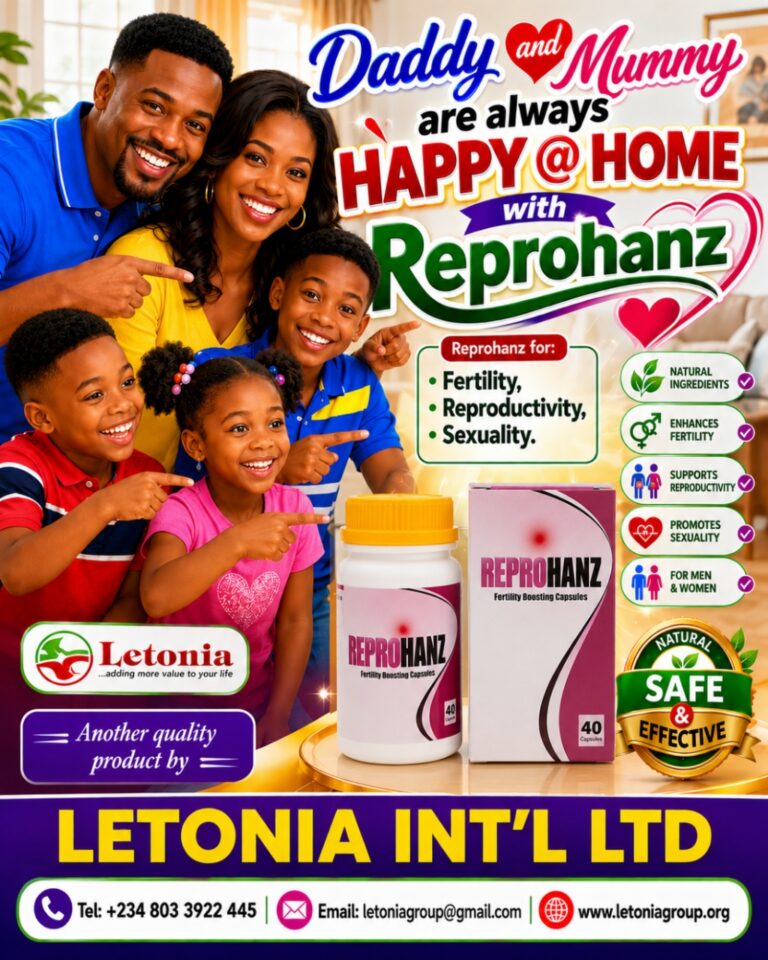
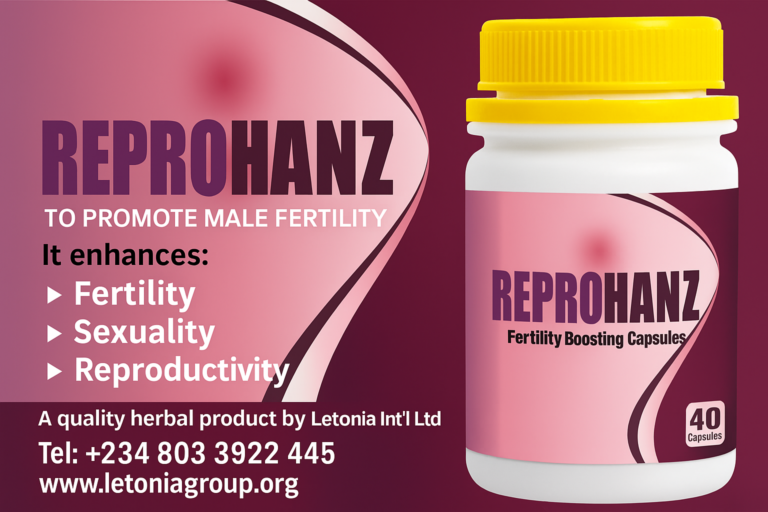
Reprohanz®: A Quality Herbal Product by Letonia Int’l Ltd
Within the framework of integrative reproductive health, Reprohanz®, a product of Letonia Int’l Ltd, is promoted by its manufacturer as a quality herbal formulation designed to support fertility, sexuality, and reproductivity.
According to the company, Reprohanz® seeks to provide natural support for reproductive wellness and male vitality while avoiding some of the undesirable effects that may accompany certain conventional interventions. The manufacturer emphasizes quality herbal development and responsible use within broader health-promotion strategies.
Nevertheless, several important principles should guide consumers and practitioners:
– Fertility challenges may arise from infections, hormonal disorders, anatomical abnormalities, metabolic diseases, medication use, environmental exposures, or psychological factors.
– Comprehensive medical evaluation remains essential before adopting any treatment approach.
– Herbal products should complement—not replace—professional healthcare.
– Individual responses to herbal interventions vary considerably.
– Ongoing scientific research and transparent evidence are necessary to establish efficacy, safety, dosage standards, and long-term outcomes.
When utilized responsibly within an integrative framework, quality-assured herbal products may serve as supportive components of broader reproductive-health strategies.
Sexual Health as a Public Health Responsibility
Sexual health extends beyond individual behaviour.
Governments, educational institutions, healthcare systems, religious organizations, and families all possess important responsibilities.
These include:
Comprehensive Sexual Education
Education empowers individuals to make informed decisions, prevent infections, understand consent, and develop healthy relationships.
Accessible Healthcare Services
Affordable reproductive and sexual healthcare reduces inequalities and improves outcomes.
Protection Against Violence
Sexual violence undermines every dimension of human well-being and demands strong legal and social responses.
Research and Innovation
Scientific inquiry—including research into complementary and herbal interventions—expands therapeutic options and strengthens evidence-based practice.
Anti-Stigma Campaigns
Removing shame from discussions about fertility, sexual dysfunction, and reproductive health encourages earlier help-seeking and better outcomes.
In conclusion, sexual health represents one of humanity’s most intimate and significant dimensions of life. The ideal envisions healthy bodies, respectful relationships, informed choices, reproductive freedom, and emotional fulfillment. Reality, however, introduces illness, infertility, dysfunction, stigma, stress, and social inequalities.
Yet challenges need not define destiny.
Through education, communication, preventive healthcare, healthy living, psychological support, scientific advancement, and responsible integrative practices, individuals and communities can overcome many obstacles to sexual well-being.
The true measure of sexual health lies not in the absence of problems but in the courage to confront them with knowledge, compassion, and wisdom. The journey from the ideal to reality is ultimately a journey toward resilience, healing, and a deeper appreciation of our shared humanity.
The body’s crucial role in reclaiming pleasure, joy, and fulfillment simply cannot be overstated. The human body is wired for touch and connection; however, when such experiences turn frightening instead of soothing, your entire world can feel unpredictable and unsafe. Maintain your approach of nurturing awareness and comprehension to set the stage for healing what causes you pain.
PS: Dr. Emereonye could be reached on: +234 803 3922 445
References
American Psychiatric Association. (2022). Diagnostic and Statistical Manual of Mental Disorders (5th ed., Text Revision). Washington, DC: APA Publishing.
Centers for Disease Control and Prevention (CDC). (2025). Sexually Transmitted Infections Treatment Guidelines. Atlanta, GA: CDC.
National Health Service (NHS). (2025). Sexual Health Overview. Available at: https://www.nhs.uk/live-well/sexual-health/
World Health Organization (WHO). (2006). Defining Sexual Health: Report of a Technical Consultation on Sexual Health. Geneva: WHO.
World Health Organization (WHO). (2024). Infertility Fact Sheet. Geneva: WHO.
World Health Organization (WHO). Sexual and Reproductive Health. Available at: https://www.who.int/health-topics/sexual-health
American Urological Association. (2024). Guidelines on Male Infertility and Erectile Dysfunction. Linthicum, MD: AUA.
Masters, W. H., Johnson, V. E., & Kolodny, R. C. (2009). Human Sexuality. Pearson Education.