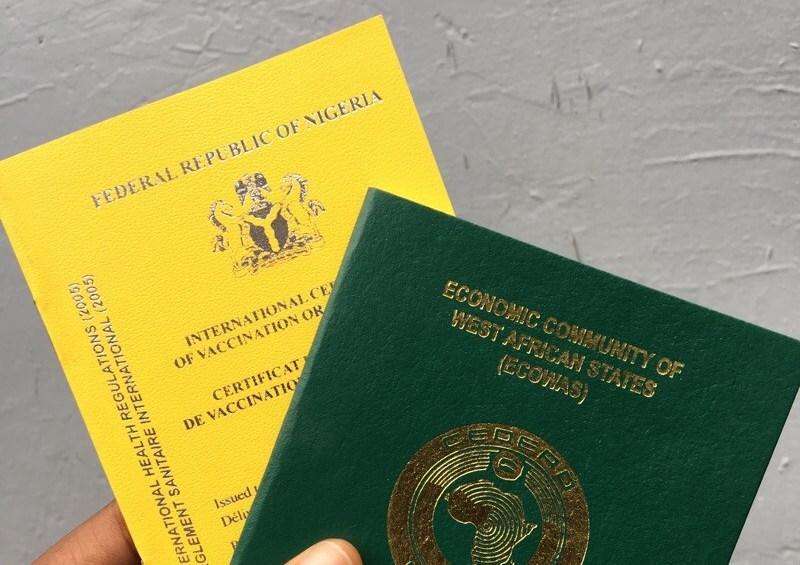
The yellow card is a certificate of vaccination to show that travellers have been immunised against yellow fever. Yellow fever is a mosquito-borne viral disease present in Africa and South America. The infection can range from mild to severe. Vaccination is the best protection against this virus.
The yellow fever vaccine provides protection against the virus for travellers and those living in areas where the disease is present. The vaccine is only available as an injection.
International travellers, including those transiting through high-risk countries, are required to compulsorily obtain the e-Yellow Card before travel, with vaccination usually recommended at least 10 days prior to departure.
Countries requiring proof of yellow fever vaccines
Many countries in Africa and South America require proof of yellow fever vaccination for entry, especially if arriving from a country with risk of yellow fever transmission. Some countries may also require proof of vaccination even if you are just passing through, or depending on your travel history.
The most popular countries where yellow fever vaccination is required or recommended are Argentina, Brazil, Gabon, Ghana, Kenya, Peru and Tanzania.
According to African Union, (AU) countries that require vaccination for all travellers older than 9 months or one year include: Benin, Côte d’ivoire, Rwanda, Burkina Faso, DRC, Sierra Leone, Burundi, Gabon, Niger, Cameron, Guinea-Bissau, Togo, Central African Republic, Kenya, Congo and Liberia.
In South America these countries include Argentina, Bolivia, Brazil, Colombia, Ecuador, French Guiana, Guyana, Panama, Paraguay, Peru, Suriname, Trinidad and Tobago, and Venezuela.
Countries that require vaccination for travellers from countries with a risk of Yellow Fever transmission or transit for 12 hours in those countries are:
Algeria, Libya, Seychelles, Botswana, Equatorial Guinea, Somalia, Cabo Verde, Eritrea, South Africa, Chad, Madagascar, Sudan, Djibouti, Malawi, Swaziland, Egypt, Mauritania, Tunisia, Ethiopia, Mauritius, Uganda, Gambia, Mozambique, Tanzania, Ghana, Namibia, Zambia, Guinea, Nigeria, Zimbabwe, Lesotho and Papua New Guinea.
Get vaccinated and obtain the new e-yellow card.
You can go to the Port health services office to make payment and get everything done. It is advisable to go prior to the dates of travel in order to avoid queues.
Validity
Yellow fever cards are valid for 10 years from the day of vaccination. Travellers do not need the vaccine again if their card is still valid. They can provide the old yellow card with proof of vaccination then pay for the new card.
Where to get the vaccinations in Nigeria
For international travellers, the vaccine is available at Port Health Services offices, which are located at points of entry such as airports and seaports. You can also get the vaccine and the e-Yellow Card (International Certificate of Vaccination or Prophylaxis) at these locations.
Port Health Services are the competent authority at points of entry like airports and seaports. They are responsible for implementing public health measures, including vaccination and issuing the e-Yellow Card.
Intending travellers can find Port Health Services offices at various points of entry, including airports.
10-day window
In Nigeria, the yellow fever vaccination should be taken at least 10 days before travel. This 10-day period is crucial for the vaccine to become fully effective and for the traveller to obtain the necessary International Certificate of Vaccination or Prophylaxis (ICVP).
The yellow fever vaccine requires about 10 days to develop immunity in the body.