Leptospirosis is a disease caused by bacteria that affects both human beings and animals. It is usually transmitted from animals to human beings(ie it is zoonotic). It is caused by pathogenic(disease causing) spirochetes of the genus Leptospira. While often overlooked, Leptospirosis poses a very significant global health concern, especially in tropical and subtropical regions of the world. Recently, on 16th or 17th of January 2025 It was in the news that two people(from a family) died after drinking maltina from a contaminated can in Lagos. Autopsy revealed that the cause of death was due to Leptospirosis infection.
Transmission of Leptospirosis
As earlier mentioned, Leptospirosis is primarily a zoonotic disease. The bacterium is shed in the urine and faeces of infected wild and domestic animals. Common domestic animals include dogs, pigs, cattle and rodents(rats, rabbits, mice etc). Humans are infected through contact with contaminated water, soil or food. The bacteria can enter the body through broken skin, mucous membrane or conjunctiva(-the thin layer over the eyes).
Symptoms of Leptospirosis Infection
Symptoms of Leptospirosis usually appear one week to two weeks after infection. 90% of Humans infected usually experience mild symptoms while 10% experience severe symptoms. The disease usually begins suddenly with fever accompanied by chills, intense headache, severe muscle aches and abdominal pain. One characteristic feature of Leptospirosis is conjunctivitis(-inflammation of the conjunctiva) without any discharge.
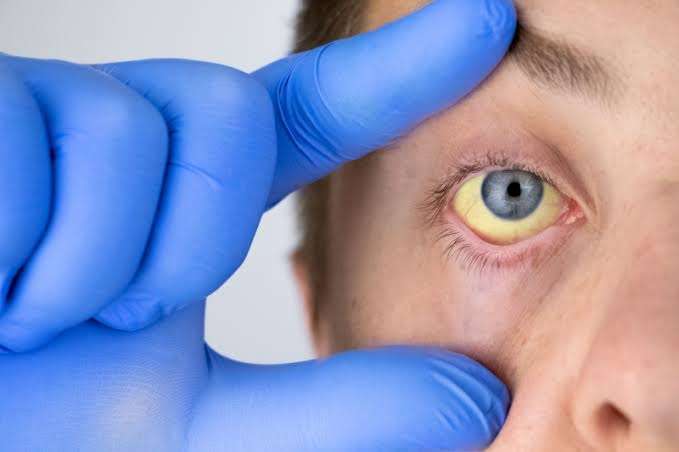
Leptospirosis rarely causes rashes, if rashes occur, then dengue fever and chikungunya fever should be considered. Dry cough is usually observed in 20 – 57% of people with Leptospirosis, sometimes this clinical feature can mislead a doctor to diagnose the disease as a respiratory illness. Other symptoms include vomiting, diarrhoea and jaundice(- yellowing of the skin and eyes). In severe cases, Leptospirosis can lead to Weils disease which is characterised by kidney failure, liver damage and respiratory distress and even death.
Diagnosis of Leptospirosis
Diagnosis of Leptospirosis can be very challenging. This infection can only be confirmed through blood culture by testing for antibodies against the bacteria or finding bacteria DNA in the blood. The Urine test can also be used (but it is not as effective as that of blood)
Treatment of Leptospirosis
Treatment of Leptospirosis typically involves antibiotics and the choice of antibiotics depends on the severity of the disease. Common antibiotics used in treating Leptospirosis include:-
a) The Penicillins(eg Amoxicillin, Amoxicillin/Clavulanic acid etc
b) The Tetracyclines(eg Doxycycline, Tetracycline etc)
c) Cephalosporins(eg Ceftriaxone)
Doxycycline(-a Tetracycline antibiotic) can be used to treat and prevent Leptospirosis infection).
Prevention of Leptospirosis
Prevention of Leptospirosis involves avoiding contact with contaminated water, soil and food, as well as protecting oneself from an animal bite and scratches. Vaccination is also available for high-risk individuals such as farmers and veterinarians.
About one million cases of this disease are estimated to occur yearly, causing about 60,000 deaths. Leptospirosis is a very serious disease that can have significant health consequences if not diagnosed and treated early. However, it is preventable through awareness and appropriate precaution.
About 5 – 10% of patients who contract this disease may die from it. It is also known that when lung complications are involved, the risk of death increases to the range of 50 – 70%.
Compiled by:
Pharm Jide Elemide
Join Our Pharmaceutical, Drugs and Health News Updates Group: https://chat.whatsapp.com/K0EecK8GeZf24d283IpAnS