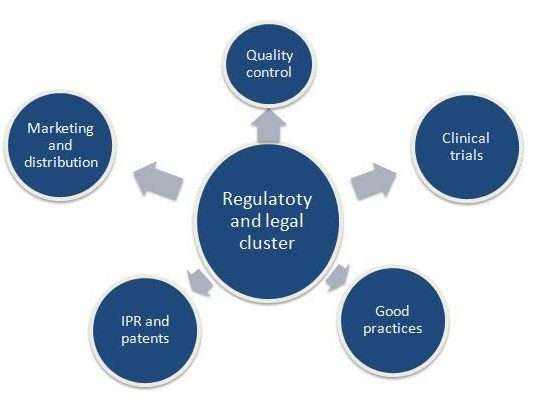
In the intricate fabric of global public health, the regulations surrounding pharmaceuticals hold a pivotal role, delicately balancing access to life-saving medicines with safeguarding against potential risks. This equilibrium is particularly critical in the expansive and diverse continent of Africa, where pharmaceutical regulations navigate a myriad of complexities, echoing a global symphony. Against the backdrop of historical pharmaceutical tragedies like the thalidomide disaster, the call for robust regulatory frameworks in Africa resonates with urgency.
Africa’s pharmaceutical regulatory landscape stands at a crossroads, grappling with the imperative to ensure access to safe, effective, and affordable medicines while navigating systemic challenges. Although the historical echoes of pharmaceutical crises vary, they underscore the universal necessity for stringent testing and control. As we explore Africa’s regulatory narrative, the global context serves as both a mirror and a compass, guiding us through the intricate challenges and promising opportunities.
Despite the undeniable significance of the pharmaceutical sector, the regulatory landscape governing it reflects a diversity that mirrors the unique challenges and opportunities within each African nation. Unlike more homogenous regions like the European Union, Africa is a mosaic of countries, with distinct healthcare needs, economic capabilities, and regulatory capacities. This diversity poses both challenges and opportunities for pharmaceutical companies operating on the continent.
African nations exhibit variations in their regulatory infrastructure, ranging from well-established bodies to those facing capacity limitations. Some countries boast robust mechanisms ensuring the safety and efficacy of pharmaceutical products, while others struggle with resource constraints, hindering effective oversight. This divergence can impact the speed and efficiency of drug approval processes, contributing to disparities in healthcare access among nations.
The issue of regulatory harmonisation presents a significant hurdle for the pharmaceutical industry in Africa. The absence of standardised regulations across countries can result in delays in drug approvals and market access. This lack of harmonisation not only complicates manufacturing and distribution processes but also inhibits the potential for economies of scale that could make pharmaceuticals more affordable and accessible across the continent.
Pharmaceutical regulation in Africa: X-raying regional disparities
The African continent, celebrated for its cultural richness and diverse landscapes, manifests pronounced regional disparities in pharmaceutical regulations, each nuanced by historical, economic, and infrastructural factors. These differences create a regulatory tapestry profoundly influencing pharmaceutical development and distribution. Examining specific instances from various African countries sheds light on the complex challenges faced.
In East Africa, countries like Kenya and Ethiopia have made significant strides in strengthening their regulatory bodies, fostering an environment conducive to pharmaceutical innovation. These nations have invested in robust frameworks, enabling more efficient drug approval processes and contributing to a vibrant local pharmaceutical industry.
Conversely, West African countries like Nigeria and Ghana encounter regulatory challenges, including resource constraints and limited expertise. These limitations impede oversight effectiveness, resulting in prolonged approval timelines and, subsequently, delays in essential medication availability.
Online surveys conducted across the continent further highlight disparities. A South African survey revealed that 75 per cent of respondents expressed confidence in the safety and efficacy of locally manufactured pharmaceuticals, citing stringent regulatory measures. In contrast, surveys in countries like Chad and Niger indicated lower confidence levels, reflecting concerns about regulatory capacity to ensure product quality.
The impact of regulatory variations extends beyond development to distribution. In North Africa, Egypt’s well-established regulatory body facilitates efficient pharmaceutical distribution, ensuring a steady supply to meet the healthcare needs of its population. In contrast, regulatory challenges in Libya and Sudan contribute to disruptions in the pharmaceutical supply chain, affecting medication availability.
Harmonising regulations proves particularly challenging. While East African countries, part of the East African Community, have made strides in regulatory alignment, the lack of harmonisation is evident when comparing their systems to those in West Africa, reflecting the broader continent-wide struggle.
To address these disparities, a collaborative effort is imperative. Initiatives like the African Medicines Regulatory Harmonisation programme, endorsed by the African Union, aim to synchronise regulatory efforts across nations. Investing in capacity building, as exemplified by the South African Health Products Regulatory Authority (SAHPRA), showcases the positive impact that a well-equipped regulatory body can have on the pharmaceutical landscape.
Key regulatory challenges in African pharmaceutical regulation
Inadequate regulatory bodies remain the Achilles’s heels of African health systems. A cornerstone of effective pharmaceutical regulation is the strength of regulatory bodies overseeing drug approval and safety. However, across various African countries, limited regulatory infrastructure poses a significant challenge to ensuring the safety and efficacy of pharmaceutical products.
Weak regulatory systems in some African countries have led to massive prevalence of counterfeit drugs with several implications. The scourge of counterfeit drugs poses a significant threat to public health in Africa. Weak regulatory frameworks contribute to the proliferation of substandard and falsified pharmaceuticals, jeopardising patients’ well-being.
Case in point: Nigeria