Vitamin B12 is often praised as a powerhouse nutrient, essential for brain function, red blood cell production, and DNA synthesis. Found primarily in animal-based foods, it plays a critical role in energy metabolism and neurological health. However, what many people don’t realize is that both deficiency and excessive intake of B12 can pose serious health risks. While some individuals unknowingly suffer from a lack of this crucial vitamin, others may be overloading their bodies with unnecessary supplementation—potentially leading to unintended consequences.
Why Is Vitamin B12 So Important?
Vitamin B12, also known as cobalamin, is a water-soluble vitamin that the body cannot produce on its own. It must be obtained from dietary sources such as meat, fish, dairy, and fortified foods. Once absorbed, B12 aids in:
- Neurological Function – Protecting nerve cells and preventing degeneration.
- Red Blood Cell Formation – Essential for oxygen transport in the body.
- DNA Synthesis and Cellular Repair – Crucial for maintaining healthy tissues.
- Energy Production – Helps convert food into usable energy at a cellular level.
A deficiency or an excess of B12 can disrupt these vital processes, leading to a range of health complications.
The Hidden Dangers of Vitamin B12 Deficiency
Many people associate vitamin deficiencies with malnutrition, but B12 deficiency can occur even in those who eat a balanced diet. The issue often stems from poor absorption rather than insufficient intake. Certain groups are at higher risk, including:
- Vegetarians and Vegans – Since B12 is primarily found in animal products, those on plant-based diets often struggle to meet their daily requirements.
- Older Adults – As the body ages, stomach acid production declines, making B12 absorption less efficient.
- Individuals with Digestive Disorders – Conditions like Crohn’s disease, celiac disease, and gastritis can interfere with absorption.
- People Taking Certain Medications – Proton pump inhibitors (for acid reflux) and metformin (for diabetes) can reduce B12 levels over time.
Symptoms of B12 deficiency can be deceptive, often mimicking other conditions. These include:
- Persistent fatigue and weakness
- Memory problems or brain fog
- Numbness and tingling in the hands and feet
- Mood swings and depression
- Pale or jaundiced skin
If left untreated, severe deficiency can lead to irreversible nerve damage, anemia, and cognitive decline.
Can Too Much B12 Be Dangerous?
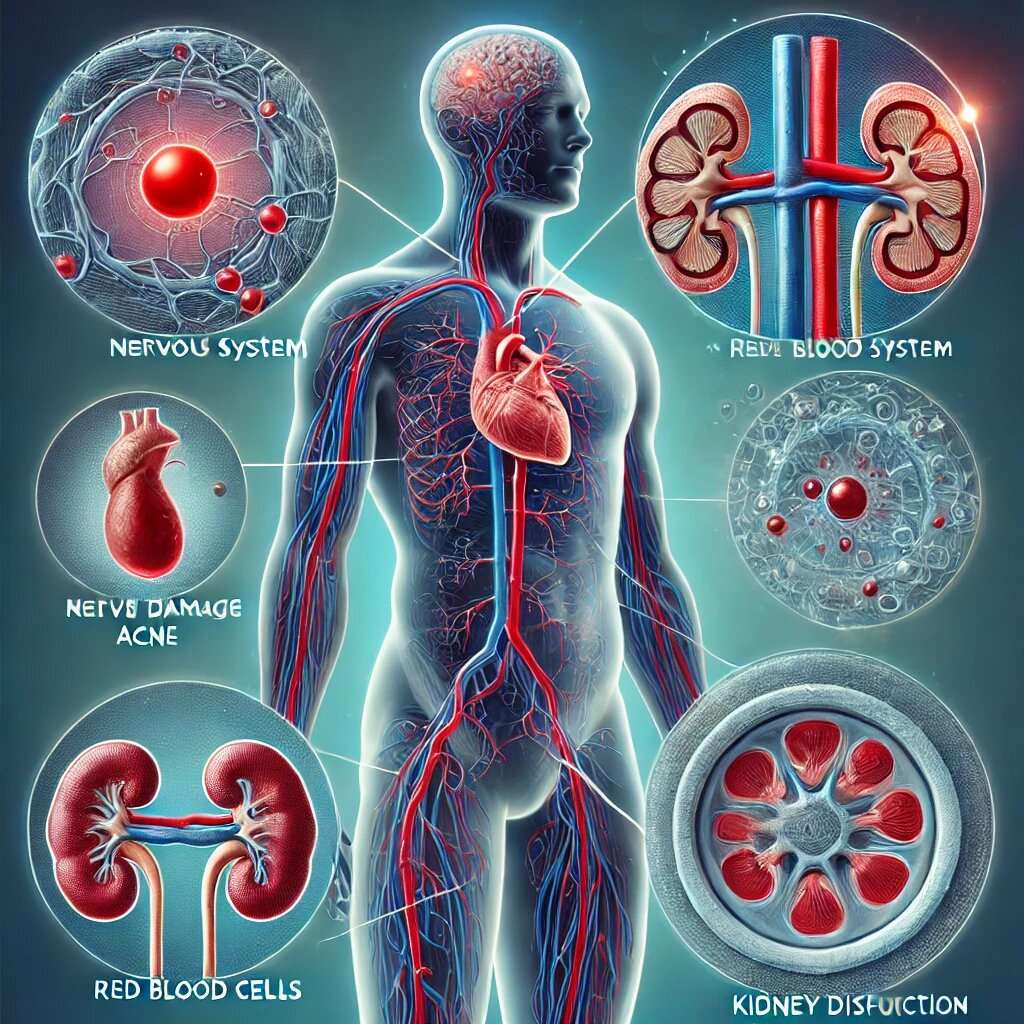
Because B12 is water-soluble, excess amounts are usually flushed out through urine. However, in certain cases, excessive B12 levels may pose risks. High doses of B12—often taken through supplements or injections—have been linked to:
- Acne and Skin Flare-Ups – Research suggests that high B12 levels can alter skin bacteria, leading to increased breakouts.
- Increased Cancer Risk – Some studies indicate a correlation between elevated B12 levels and an increased risk of lung and colorectal cancer.
- Kidney Strain – Individuals with kidney disease may struggle to process excess B12, leading to potential toxicity.
- Blood Vessel Damage – High doses may elevate homocysteine levels in some individuals, increasing the risk of cardiovascular issues.
While toxicity is rare, unnecessary supplementation can disrupt the body’s delicate balance, particularly in those who already receive adequate B12 from their diet.
How to Determine If You’re at Risk
Identifying whether you’re at risk for B12 deficiency or overconsumption requires awareness of your diet, lifestyle, and medical history. Here are key factors to consider:
- Do you frequently feel exhausted or mentally foggy despite adequate rest?
- Are you on a strict vegetarian or vegan diet without supplementation?
- Do you take medications that interfere with B12 absorption?
- Have you been supplementing with high doses of B12 without medical advice?
The best way to confirm your B12 status is through a blood test, which can measure serum B12 levels and homocysteine levels—an indirect marker of B12 activity in the body.
The Right Way to Balance Your B12 Intake
Striking the right balance is crucial. Here’s how to ensure you’re getting just the right amount:
- Prioritize Natural Sources – Consuming B12-rich foods like eggs, dairy, fish, and lean meats is the most effective way to maintain optimal levels. For plant-based eaters, fortified foods and supplements are necessary.
- Avoid Unnecessary Supplementation – Unless advised by a doctor, taking excessive B12 supplements may do more harm than good.
- Monitor Your Levels – Regular health check-ups can help detect any imbalances early.
- Address Underlying Absorption Issues – If you have digestive conditions or are on medications that affect B12 absorption, consider working with a healthcare professional to find the best strategy.
The Importance of Balance
Vitamin B12 is indispensable, but like all nutrients, balance is key. While deficiency poses significant risks, excessive or unnecessary supplementation can also have unintended consequences. The best approach is to monitor intake through diet and supplements carefully, seek medical advice when necessary, and recognize that more isn’t always better. Understanding the potential dangers of vitamin B12 ensures that its benefits can be harnessed safely and effectively.
Join Our Pharmaceutical, Drugs and Health News Updates Group: https://chat.whatsapp.com/K0EecK8GeZf24d283IpAnS