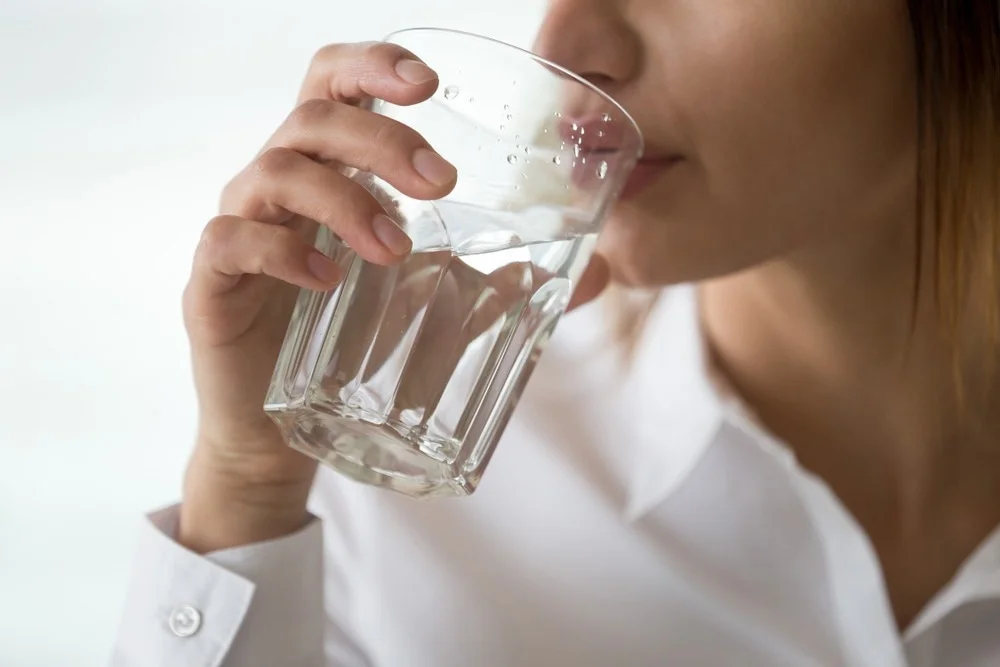
Water is one of the most important elements of life. Our bodies are made up of about 60% water, and every cell, tissue, and organ relies on it to function properly. Yet, many people underestimate the importance of staying hydrated. They drink coffee, sodas, or energy drinks but forget about the most natural and essential beverage—water.
Hydration plays a key role in our overall health, affecting everything from our energy levels to digestion, skin, and brain function. In this article, we will explore why drinking enough water is essential, how dehydration affects the body, and practical tips to ensure you stay hydrated every day.
Why Water is Essential for the Body
Helps Maintain Body Temperature
Water helps regulate body temperature by enabling sweat production. When you sweat, your body cools down, preventing overheating. Without enough water, your body struggles to maintain a stable temperature, which can lead to heat exhaustion or heatstroke.
Supports Digestion and Nutrient Absorption
Water is essential for breaking down food so that your body can absorb nutrients effectively. It also helps in the production of saliva, which contains enzymes that aid in digestion. Staying hydrated prevents digestive issues such as constipation and acid reflux.
Enhances Brain Function and Mental Clarity
Your brain is about 75% water, and even mild dehydration can impact its performance. Lack of water can cause brain fog, difficulty concentrating, headaches, and mood swings. Drinking enough water helps improve cognitive function, memory, and focus.
Boosts Energy Levels
One of the most common causes of fatigue is dehydration. When your body doesn’t have enough water, blood volume decreases, making your heart work harder to pump oxygen and nutrients to your cells. Staying hydrated keeps you energized and reduces feelings of tiredness.
Improves Skin Health
Water keeps your skin hydrated and helps flush out toxins that can cause breakouts and dullness. Proper hydration reduces wrinkles, keeps the skin elastic, and promotes a natural glow.
Supports Kidney Function and Detoxification
Your kidneys filter waste from your blood and remove it through urine. Drinking enough water helps your kidneys function efficiently, reducing the risk of kidney stones and urinary tract infections.
Aids in Weight Management
Drinking water can help with weight loss by increasing metabolism and reducing appetite. Sometimes, thirst is mistaken for hunger, leading to unnecessary calorie intake. Drinking a glass of water before meals can prevent overeating and support a healthy weight.
The Dangers of Dehydration
Fatigue and Low Energy Levels
Without enough water, your body struggles to transport oxygen and nutrients efficiently, leading to tiredness and sluggishness.
Digestive Problems
Dehydration can cause constipation and slow down digestion, making it harder for your body to eliminate waste.
Increased Risk of Kidney Stones
Lack of water leads to concentrated urine, which can contribute to the formation of kidney stones.
Poor Skin Health
When you are dehydrated, your skin can become dry, flaky, and more prone to irritation and premature aging.
Weakened Immune System
Water plays a vital role in flushing out toxins from the body. Dehydration weakens the immune system, making you more susceptible to illness.
How Much Water Do You Need Daily?
The general recommendation is to drink about 8 glasses (64 ounces or 2 liters) of water per day, but this can vary depending on factors such as:
- Activity Level – If you exercise regularly or sweat a lot, you need more water.
- Climate – Hot and humid weather increases fluid loss, requiring you to drink more.
- Health Conditions – Certain conditions like kidney disease or pregnancy may alter your water needs.
A simple way to check if you’re drinking enough water is by monitoring your urine color. Light yellow or clear urine indicates good hydration, while dark yellow or amber urine suggests you need more water.
Practical Tips to Stay Hydrated
Start Your Day with Water
Drink a glass of water first thing in the morning to kickstart your metabolism and rehydrate your body after hours of sleep.
Carry a Water Bottle
Having a reusable water bottle with you at all times makes it easier to sip water throughout the day.
Eat Water-Rich Foods
Fruits and vegetables like cucumbers, watermelon, oranges, and lettuce contain high amounts of water and help with hydration.
Set Reminders
Use phone alarms or hydration apps to remind yourself to drink water regularly.
Infuse Your Water
If you find plain water boring, add slices of lemon, cucumber, mint, or berries for a refreshing flavor.
Drink Water Before Meals
Having a glass of water before meals helps with digestion and prevents overeating.
Reduce Caffeinated and Sugary Drinks
Coffee, tea, and sodas can dehydrate the body. While they contribute to fluid intake, they should not replace water as your primary source of hydration.
CONCLUSION: Staying hydrated is one of the easiest yet most effective ways to improve your overall health. Water fuels your body, enhances your mental clarity, keeps your skin glowing, and helps prevent various health issues.
If you’re not drinking enough water, start making small changes today. Carry a water bottle, set reminders, and incorporate more water-rich foods into your diet. Prioritizing hydration will leave you feeling more energized, focused, and healthier.
Join Our Pharmaceutical, Drugs and Health News Updates Group: https://chat.whatsapp.com/K0EecK8GeZf24d283IpAnS