Researchers have identified a concerning connection between regular soft drink consumption and mental health, revealing that even moderate intake of these beverages may alter gut bacteria in ways that increase the risk of depression, particularly among women.
The study found that women who consumed more soft drinks had a 16.7 per cent higher risk of developing major depressive disorder (MDD) and experienced more severe depressive symptoms. Interestingly, the same effect was not observed with high-sugar solid foods.
The link appears to be influenced by changes in the gut microbiome, specifically a higher abundance of the bacterium Eggerthella, which accounted for 3.8 per cent of the impact on MDD diagnosis and 5.0 per cent on the severity of symptoms.
Lead researcher Dr Sharmili Edwin Thanarajah of University Hospital Frankfurt, Goethe University, noted that these results add to growing evidence that both sugar-sweetened and artificially sweetened beverages are associated with an increased risk and severity of depression.
She stressed, “Physicians should consider asking patients about soft drink consumption as part of routine dietary assessment, particularly in those with or at risk of depression, and encourage reducing intake as part of a broader strategy for both physical and mental well-being.”
The study, published in JAMA Psychiatry, involved 932 participants, including 405 patients diagnosed with MDD according to the Diagnostic and Statistical Manual of Mental Disorders (67.9 per cent women; average age 36 years) and 527 healthy controls (65.5 per cent women; average age 35 years).
While the groups were similar in terms of age and sex, they differed in BMI and education. The average BMI was 26.04 in the MDD group compared to 24.08 in controls, and average years of education were 13.45 versus 14.10.
Overall, higher soft drink intake was linked to a modest but significant increase in the risk of MDD.
The association was most pronounced in women, who were 17 per cent more likely to be diagnosed with MDD if they consumed larger amounts of soda.
Men, however, did not show a significant effect. Similarly, the severity of depressive symptoms correlated with soft drink consumption, again primarily among women.
These associations remained significant even after accounting for factors such as BMI, antidepressant use, education, and total calorie intake.
Researchers suggest that biological or hormonal differences may explain why women are more affected, though the higher proportion of women in the study limits conclusions about men.
These findings highlight the importance of raising awareness about the mental health risks associated with soft drinks and support measures to limit their marketing and availability.
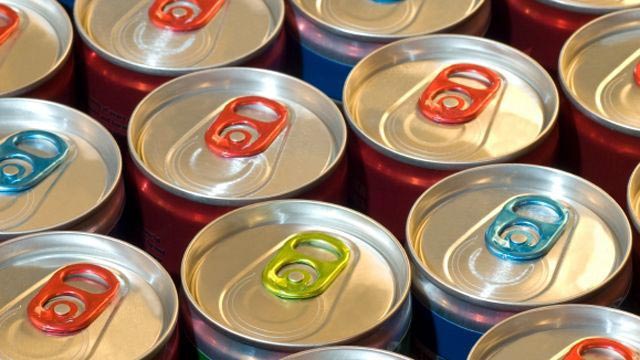
While soft drinks are widely consumed worldwide, especially by children and teenagers, they provide empty calories, mostly from simple sugars like glucose and fructose, which can spike blood sugar levels. Beyond mental health, their consumption is linked to obesity, diabetes, heart disease, stroke, and cancer.