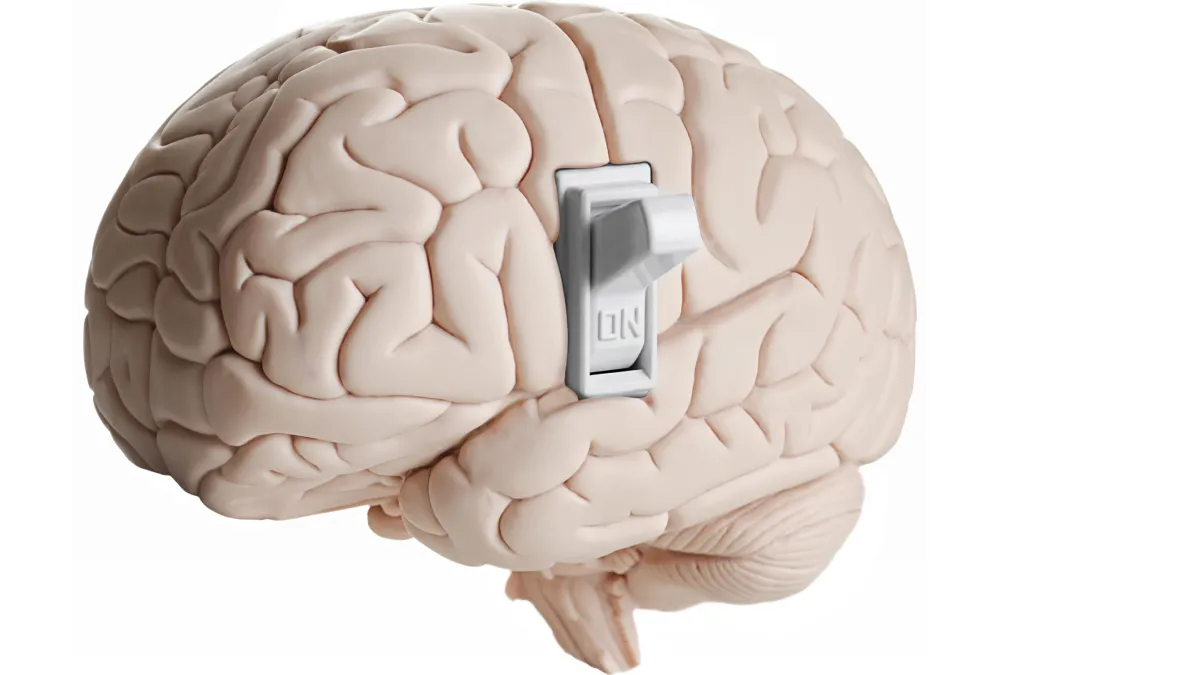
A team of international scientists has identified a hidden protein in the brain that acts as a powerful “off switch” for hunger — a finding that could transform future treatments for obesity and other metabolic diseases.
The protein, called MRAP2, works alongside the brain receptor MC4R, a well-known regulator of appetite. According to researchers from Leipzig University and Charité – Universitätsmedizin Berlin, MRAP2 ensures that MC4R reaches the surface of nerve cells, where it can effectively send the signal that tells the body to stop eating.
“Our study shows that MRAP2 is not just a supporting molecule — it’s a key player in determining how strongly the brain can suppress appetite,” explained Dr. Patrick Scheerer of Charité’s Institute of Medical Physics and Biophysics, one of the senior authors of the study.
Using advanced imaging and molecular biology techniques, the team was able to observe how MRAP2 changes the behavior of MC4R inside living cells. When MRAP2 was present, the receptor was more stable and active, allowing it to transmit stronger satiety signals. Without MRAP2, those signals weakened — a process that could contribute to overeating and weight gain.
“This discovery adds a missing piece to the puzzle of how our brains control hunger,” said Professor Annette Beck-Sickinger, co-lead author from Leipzig University. “It opens up entirely new possibilities for designing therapies that target MRAP2 or its interaction with MC4R.”
The research, published in Nature Communications, involved collaborations with scientists in Germany, Canada, and the United Kingdom. Their interdisciplinary approach combined structural biology, pharmacology, and live-cell imaging to reveal the molecular mechanics behind appetite control.
Mutations in the MC4R receptor are among the most common genetic causes of severe obesity. A better understanding of how MRAP2 regulates this receptor could pave the way for safer and more precise treatments — possibly by enhancing the body’s natural ability to curb hunger rather than suppressing appetite through artificial means.
“Instead of simply blocking hunger, future drugs could work by restoring the brain’s own balance,” noted Professor Heike Biebermann from Charité’s Institute of Experimental Pediatric Endocrinology. “This represents a more physiological way to manage body weight.”
The findings are part of ongoing research within the Collaborative Research Centre 1423, a German Research Foundation initiative dedicated to exploring how the structural dynamics of receptors influence their function.
As the global obesity crisis continues to rise, the discovery of MRAP2’s crucial role offers a promising new direction — one that could help millions regain control over one of the body’s most basic urges.