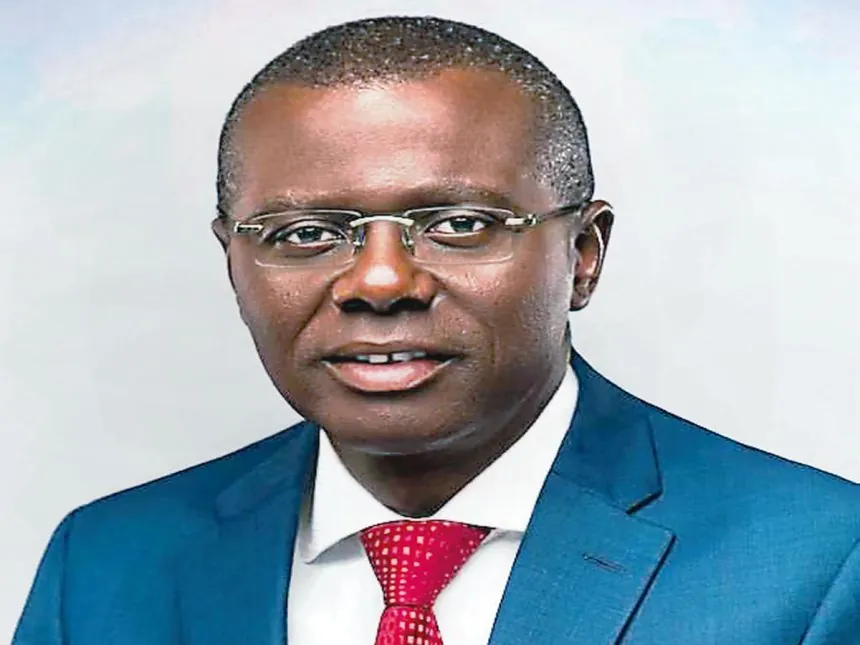
Lagos State Governor, Mr. Babajide Sanwo-Olu, has reiterated his administration’s dedication to achieving Universal Health Coverage (UHC) through the formal signing of an Executive Order mandating health insurance for every resident of the state.
The Governor made this known during the inaugural 2025 Eko Health Convention, which took place on Tuesday in Lekki. The event, themed “Lagos Health: Driving Innovation, Strengthening Systems, Leading Change,” was organised by the Lagos State Ministry of Health.
Represented by his deputy, Dr. Kadri Obafemi Hamzat, Governor Sanwo-Olu said the decision was in alignment with the National Health Insurance Act, ensuring that all Lagos residents contribute according to their means and receive adequate protection when healthcare is required.
He stated, “When we launched the Ilera Eko Health Insurance Scheme in February 2021, we made it clear that universal health coverage requires a reliable and inclusive system.
In July 2024, I signed an Executive Order making health insurance mandatory for all residents of Lagos State. Some may ask why health insurance should be mandatory? The answer is simple: without a shared pool of resources, universal coverage is impossible. When everyone participates, we protect families from financial hardship, strengthen hospitals, and make healthcare stable and equitable for all.”
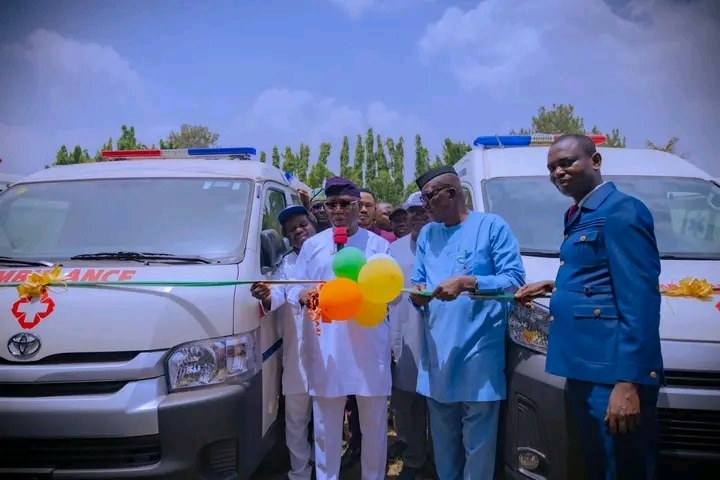
Sanwo-Olu further emphasised that a strong emergency response framework is vital for effective health insurance implementation. He explained that through the Lagos State Ambulance Service (LASAMBUS), the state government has reinforced its emergency medical system to ensure that the ILERA EKO initiative is backed by swift and compassionate medical response.
According to him, “These attempts affirm our conviction that timely and efficient emergency care must be a right, not a privilege. The Lagos Emergency Medical Blueprint is already saving lives.
Today, Lagos boasts of 360 public health facilities and more than 3,500 private ones, forming a unified ecosystem where public and private providers work side by side to bridge divides, expand access, and uphold the promise of a truly integrated healthcare system for every resident.”
The Governor urged healthcare professionals and stakeholders to invest in innovation, foster corporate social responsibility, and reimagine healthcare delivery through technology and creativity. He stressed the importance of building a system where healthcare access is based on need rather than financial capacity.
He added that good health is a shared responsibility, and sustainable progress in the health sector depends on partnership and collective action from all citizens and stakeholders.
Sanwo-Olu called on residents to not only hold the government accountable but also take personal responsibility by enrolling in health insurance schemes, participating in vaccination drives, eliminating mosquito breeding areas, reporting medical malpractice, adopting healthy lifestyles, and demanding quality healthcare.
Reaffirming his administration’s commitment, the Governor noted that Health and Environment have remained key priorities under the THEMES agenda, with a focus on developing a healthcare system that is accessible, affordable, and innovative.
He highlighted several milestones achieved under his administration, including the establishment of new Maternal and Child Centres in Eti-Osa, Badagry, and Epe; the expansion and renovation of General Hospitals; and the construction of major health infrastructure such as the New Massey Street Specialist Children’s Hospital, Ojo General Hospital, Lagos State Mental Health Institute in Ketu-Ejirin, and the Cardio-Renal Centre in Gbagada.
In his address, the Lagos State Commissioner for Health, Prof. Akin Abayomi, revealed that the state’s new health blueprint aims to transform Lagos into the healthcare powerhouse of Africa by reducing mortality rates and driving economic growth through a data-driven transformation of the health system.
He noted that Lagos currently loses approximately $1.5 billion annually to outbound medical tourism, exceeding the state’s total health budget. Abayomi said the new blueprint seeks to expand health insurance coverage, build world-class facilities, and create employment opportunities in the medical and biotechnology sectors.
According to him, “The Governor’s blueprint includes climate-resilient hospital designs, modern general hospitals, a 500-bed psychiatric and rehabilitation centre, and the establishment of Lagos State University of Medicine and Health Science.
It also introduces a Smart Health Information Platform (SHIP), a digital system linking all public hospitals and primary health centers for efficient data sharing and decision-making. Our goal is clear. Lagos must become the health capital of sub-Saharan Africa, not just for Nigerians, but for the continent.”
The commissioner further emphasised that Africa must invest in environmentally sustainable, technologically advanced, and globally competitive healthcare facilities to reduce dependence on foreign medical care and position Lagos as a leading hub for health innovation and medical tourism.
Delivering her opening remarks, Dr. Kemi Ogunyemi, Special Adviser to the Governor on Health, highlighted the importance of collaboration in reshaping the healthcare system of Lagos State. She reaffirmed the government’s unwavering commitment to delivering quality and affordable healthcare to all residents.
Ogunyemi stated that the government’s mission is to educate and empower citizens to take full ownership of their health and well-being, while ensuring that all healthcare services in Lagos meet global standards.
She explained, “Therefore, we believe in collaboration, which is through the Public Private Partnership (PPP), because we, as government, know we cannot do it ourselves.”