Why the PSA Test Might Be Doing More Harm Than Good – And What You Should Do Instead
Okay, let’s talk about the PSA test. I’m seeing way too many misdiagnoses and unnecessary damage to innocent men.
If you’re a man over 40, chances are you’ve heard about PSA testing for prostate cancer. Maybe your doctor has suggested it, or maybe you’ve seen ads urging men to “check their PSA” to stay ahead of the game.
They say early detection saves lives. That’s what we’ve been told for years.
But here’s what nobody’s telling you—the PSA test might actually be doing more harm than good for a lot of men.
In fact, it’s causing unnecessary anxiety, leading to painful and risky biopsies, and pushing men into life-altering treatments they may not even need.
The Problem with PSA Tests
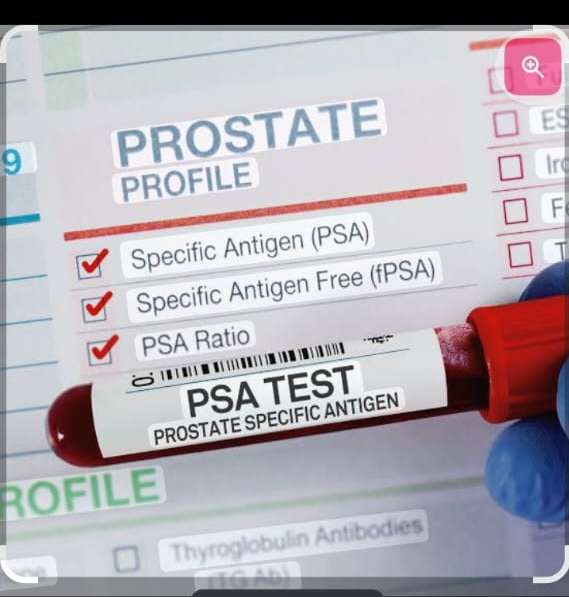
PSA stands for Prostate-Specific Antigen, a protein produced by your prostate.
Yes, we know that higher levels of PSA in the blood can indicate prostate cancer. But here’s the kicker—high PSA can also mean a bunch of other things that have NOTHING to do with cancer.
Pls listen! A high PSA doesn’t automatically mean cancer. If your PSA is elevated, it could be due to several reasons your doctor may never mention:
Benign Prostatic Hyperplasia (BPH) – A fancy way of saying “your prostate is naturally getting bigger” as you age. Totally normal.
Prostatitis (Inflammation) – An infection or irritation can spike your PSA levels.
Recent Sexual Activity or Exercise – Yep, even something as normal as ejaculation or riding a bike can temporarily raise your PSA.
So, when your doctor tells you your PSA is high, it doesn’t necessarily mean you’re in danger. What’s truly dangerous? The moment they push you into a biopsy.
And here’s the real problem—once you get a biopsy, things can go downhill fast.
The Dangers of Unnecessary Biopsies
If your PSA is high, your doctor may recommend a biopsy—a painful procedure where a needle is inserted into your prostate to extract tissue samples.
This can cause:
Bleeding
Infection
And even… wait for it… an increased risk of spreading cancer cells!
When the Cure Is Worse Than the Disease
So, you get a high PSA, your doctor orders a biopsy, and—boom—you’re told you have prostate cancer. Now what?
This is the beginning of the nightmare. Because the treatment is often worse than the disease itself.
Most doctors push for aggressive treatment, including:
Surgery (Prostatectomy) – Removes the entire prostate but can lead to:
Erectile dysfunction (impotence) – Say goodbye to natural bedroom fun.
Urinary incontinence – Many men are left wearing adult diapers.
Loss of sexual function – Even if you can get an erection, the ability to ejaculate is often lost.
Radiation Therapy – And guess what? That one? It’s a slow death!
Chronic bowel problems (diarrhea, rectal bleeding)
Increased risk of secondary cancers
Urinary issues
Hormone Therapy (Androgen Deprivation Therapy) – Lowers testosterone to slow cancer growth but leads to:
Depression and mood swings
Severe fatigue
Bone loss and higher risk of fractures
Loss of libido and sexual function
You see, many men undergo brutal treatments for a cancer that never even posed a real threat to their lifespan.
If PSA Tests Are Flawed, What Should You Do Instead?
Good news? There are better ways to check your prostate health without jumping straight to biopsies and unnecessary treatments.
4Kscore Test – A more advanced blood test that looks at four different prostate-specific markers, reducing unnecessary biopsies by up to 60%.
Multi-Parametric MRI (mpMRI) – A non-invasive scan that can detect aggressive cancers accurately—no needles needed!
PCA3 Urine Test – Measures the PCA3 gene, which is found at much higher levels in prostate cancer cells than in normal prostate tissue.
Take Charge of Your Prostate Health (Without Fear & Over-Treatment
If your doctor tells you that you have low-risk state cancer, don’t panic.
Many cases never become life-threatening. So, instead of rushing into aggressive treatments
Monitor it with imaging and blood tests.
Make lifestyle changes (diet, exercise, stress reduction).
Explore natural, non-toxic therapies that support prostate health.
Instead of blindly following outdated medical advice, be your own advocate.
Ask questions. Don’t let a single PSA test dictate your entire future.
Go natural. Avoid harsh treatments that could do more harm than good.
Stay informed. Knowledge is power.
To crown it all, explore natural healing protocols.