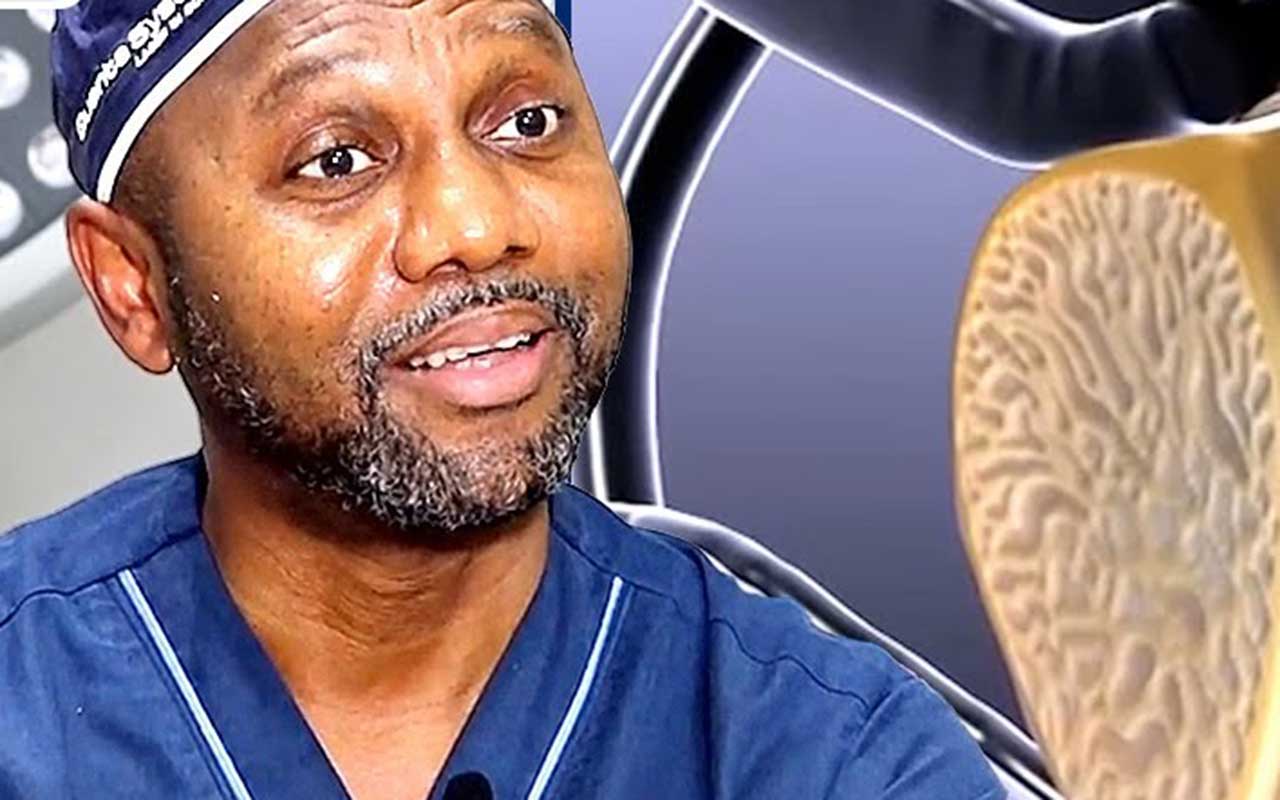
In a groundbreaking medical development, Nigerian consultant urological, laparoscopic, and robotic surgeon Prof. Kingsley Ekwueme has successfully performed Africa’s first UroLift procedure in Lagos. The landmark surgery, conducted at The Prostate Clinic (TPC) in Victoria Island, represents a major advancement in the treatment of benign prostate enlargement (BPH) and a significant step forward for medical innovation in Nigeria and across Africa.
The UroLift procedure is a modern, minimally invasive treatment designed to relieve symptoms of prostate enlargement without the risks commonly associated with traditional surgery. Unlike conventional methods that require cutting or removing tissue, this approach offers a safer and less invasive alternative for men experiencing urinary difficulties.
Speaking after the successful operation, Prof. Ekwueme described the milestone as “a remarkable achievement for Nigeria and Africa’s healthcare system,” adding that the UroLift procedure “provides a safer alternative to traditional surgeries that often cause distressing side effects.”
He explained further that “the treatment works by gently lifting and securing the enlarged prostate tissue to open the urinary channel, eliminating the need for cutting or removing tissue,” and that “it allows men to maintain normal sexual and reproductive functions after the operation — an outcome that has long been a concern for younger patients.”
However, Prof. Ekwueme emphasized that not all patients are suitable candidates for the procedure. “Men with a prostate volume of 80 millilitres or less may qualify after a thorough medical evaluation to confirm that cancer or other complications are not present,” he noted.
Addressing the potential health risks of untreated prostate enlargement, he explained that although the condition is generally non-cancerous, it can severely impact a man’s ability to urinate and lead to long-term complications. He cautioned that affected men might struggle with frequent urination, incontinence, or complete urinary blockage that may require catheterisation, warning that if left untreated, it could result in “permanent bladder damage or kidney failure.”
Prof. Ekwueme also highlighted the convenience of the new technique, noting that “the UroLift could be performed under local or spinal anesthesia, allowing patients to return home within hours or by the next day.”
This achievement marks a significant leap forward for Nigeria’s healthcare sector and positions the country as a leader in minimally invasive urological surgery on the African continent.