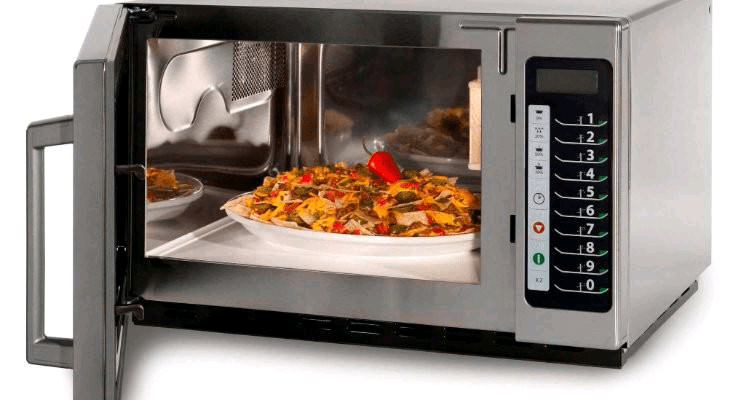
Do you know that the microwave oven in your kitchen is not immune to bacterial infiltration? If you do not, it is time to be aware that your microwave oven can harbor a surprisingly dangerous variety of pathogens despite its high temperatures and electromagnetic radiation.
Findings from a recent study published in Frontiers in Microbiology showed that swabs from microwave ovens in kitchens, labs, and other shared spaces contained over 100 distinct bacterial strains.
Researchers from kitchens, labs, and cafeterias, swabbed the interiors of 30 microwave ovens, and the collected samples were then cultured, resulting in significant bacterial growth. From DNA analysis, it was discovered that these bacteria belonged to common human skin and surface-dwelling groups like Proteobacteria, Firmicutes, Actinobacteria, and Bacteroidetes.
Among the bacteria identified in kitchen microwave ovens were strains like Klebsiella and Brevundimonas, which can cause foodborne illness. How these bacteria survive and thrive in the harsh environment of a microwave oven remains a mystery and requires further investigation.
This is the first time that scientists have documented microbial communities living in microwave ovens, according to the researchers.
Microbiologist Manuel Porcar and colleagues who carried out the study, at the University of Valencia in Spain, note that the microorganisms they found in domestic microwave ovens were the same as found on the kitchen surface, some of them pathogenic. However, he stresses that kitchen microwave ovens aren’t a particular cause for concern with nothing to be more worried about than the cleaning of any other part of a kitchen in contact with food.