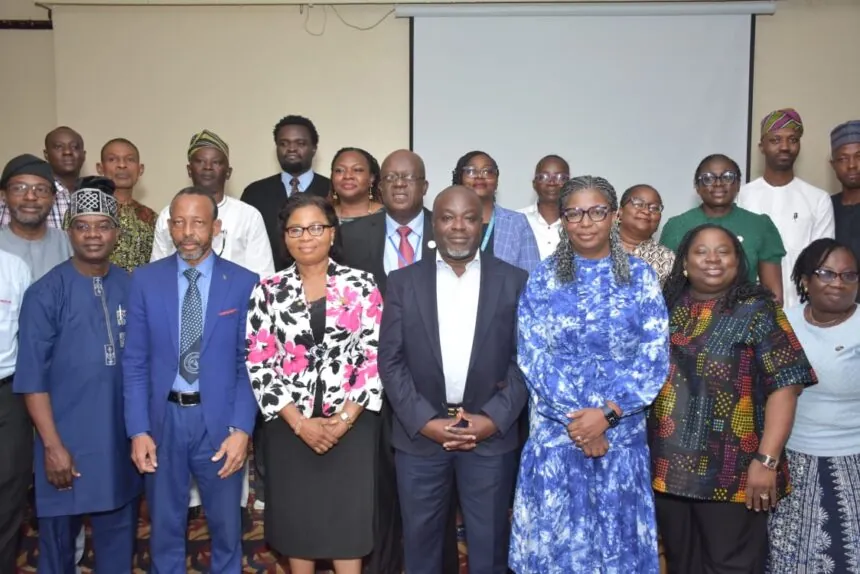
The Lagos State Government has inaugurated a Non-Communicable Diseases (NCDs) Technical Working Group (TWG) to coordinate and strengthen efforts aimed at reducing the rising burden of chronic illnesses across the state.
The inauguration, held on Tuesday, November 5, 2025, at the Sheraton Hotel, Ikeja, brought together key stakeholders including policymakers, healthcare professionals, development partners, and civil society organisations.
According to the Lagos State Ministry of Health, the TWG will guide policy development, strengthen health systems, and ensure that NCD prevention and management are effectively integrated into primary healthcare services.
The group is also tasked with tracking progress, promoting preventive health measures, and mobilising resources to tackle major risk factors such as tobacco use, unhealthy diets, physical inactivity, and harmful alcohol consumption.
Members of the TWG include representatives from the Ministry of Health, its agencies such as LASHMA and the Primary Health Care Board, health districts, development partners, academic institutions, civil society groups, and patient advocacy organisations.
Speaking at the event, the Permanent Secretary of the Ministry of Health, Dr Olusegun Ogboye, described the initiative as a significant move against the growing threat of NCDs, which include hypertension, diabetes, cancer, mental health conditions, and chronic respiratory diseases, accounting for nearly 29% of deaths in Nigeria.
“Lagos has made great strides in infectious disease control and maternal and child health, but lifestyle-related illnesses are now reshaping our health landscape. These diseases may not make dramatic entrances, but they claim lives silently,” Ogboye said.
He highlighted that the TWG reflects the state government’s commitment to a coordinated, data-driven, multi-sectoral approach that focuses on prevention, early detection, treatment, and rehabilitation.
“We are moving from reactive care to proactive prevention and from fragmented efforts to integrated health intelligence,” he added.
Ogboye also reaffirmed the Sanwo-Olu administration’s T.H.E.M.E.S+ Agenda priorities, pointing to ongoing programs such as the Lagos State Health Scheme, LASAMBUS, and the State Hypertension and Diabetes initiatives. He urged TWG members to bring innovation and collaboration to their work.
Dr Victoria Egunjobi, Director of Disease Control, described the TWG as a shift from isolated interventions to unified action against NCDs, noting that the group will act as a “think tank” to support evidence-based programs and ensure equitable access to care for patients living with chronic diseases.
Health Analyst at the Clinton Health Access Initiative (CHAI), Vivian Nwakolobi, praised the Lagos State Ministry of Health for its leadership, pledging continued partnership in programs addressing diabetes, sickle cell disease, and cervical cancer.
Similarly, Dr Somefun Esther of UNFPA commended the initiative as “a testament to what can be achieved through partnership,” while cautioning that NCDs remain a silent epidemic, largely preventable through coordinated interventions.
Leaders of professional associations, including Dr Esegine Jonathan Oji of the Association of Nigerian Private Medical Practitioners and Dr Saheed Babajide Kehinde of the Nigerian Medical Association, Lagos, pledged collaboration with the state, stressing that public awareness, early detection, and affordable care are key to progress.
NCD Program Coordinator, Dr Abosede Wellington, along with health officials including Dr Modinat Akiolu and Dr Zainab Salisu, described the TWG as a critical step toward building sustainable systems for the prevention, early detection, and management of chronic illnesses.
With the inauguration of the NCD Technical Working Group, Lagos State takes another decisive step toward achieving Universal Health Coverage and addressing one of the fastest-growing health challenges of the 21st century.