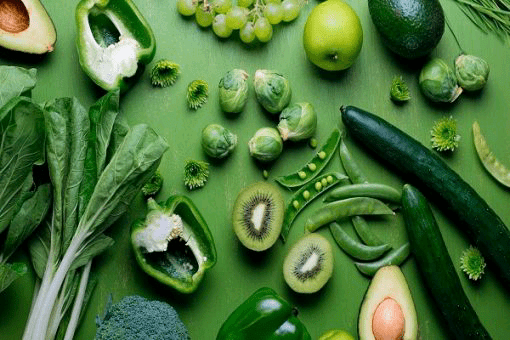
Vegetable is a broad term that refers to the edible parts of plants, which are usually their leaves, roots, fruits, or seeds. Vegetables are a staple food across the world and are a fundamental part of modern agriculture.
Since they’re low in calories but high in nutrients, most health experts recommend that you consume vegetables daily. There’s a scientific consensus that a balanced, rotating diet of different varieties of vegetables is one of the best ways to source nutrients from your food starting at a young age.
1. Lower blood pressure: Vegetables can help lower blood pressure because they are rich in nutrients like potassium, magnesium, and fiber, which are known to have a positive impact on blood pressure levels. Potassium helps balance the effects of sodium in the body, which can help lower blood pressure. Magnesium plays a role in relaxing blood vessels, promoting better blood flow and lower pressure. The fiber in vegetables also contributes to heart health, which indirectly helps in maintaining healthy blood pressure.
2. Lower risk of heart disease: Eating vegetables can help lower the risk of heart disease because they are rich in nutrients like fiber, vitamins, and minerals that are good for your heart health. Vegetables contain antioxidants that can reduce inflammation and improve blood vessel function, leading to a healthier heart. Including a variety of vegetables in your diet can also help manage weight, blood pressure, and cholesterol levels, all of which are important factors in reducing the risk of heart disease.
3. Diabetes control: Vegetables can help control diabetes by being low in calories and high in fiber, which can help regulate blood sugar levels. The fiber in vegetables slows down the absorption of sugars, preventing spikes in blood sugar. Additionally, vegetables are rich in nutrients and antioxidants that can improve insulin sensitivity and overall blood sugar control.
4. Nutrition: Vegetables are like superheroes for providing us with essential vitamins! They are packed with vitamins like vitamin C, vitamin K, and various B vitamins, which are crucial for our overall health. Each vegetable offers a unique set of vitamins, so eating a variety ensures you get a wide range of essential nutrients to keep your body functioning at its best.