High blood pressure, often called the “silent killer,” remains one of the leading causes of heart attack, stroke, and kidney complications worldwide. Yet medical experts insist it doesn’t have to condemn anyone to a lifetime of pills.
According to Professor Rasha Al-Lamee, consultant cardiologist and professor at Imperial College London, adopting practical, evidence-based lifestyle changes can significantly lower or even reverse hypertension naturally.
“Reducing salt intake is what we recommend to all who come to see us with elevated blood pressure, it’s the single biggest change most can make,” Al-Lamee says.
On average, adults consume between 8 and 9 grams of salt daily—far more than the 6 grams (roughly a teaspoon) advised by health authorities. Much of this excess comes from processed and packaged foods, sauces, snacks, and restaurant meals.
Al-Lamee suggests preparing meals at home as often as possible to better control salt use. “Processed takeaways have a lot of salt in them. If you cook, you have a choice,” she advises.
Cutting down on salt can lower blood pressure within weeks. Sodium makes the body retain water, which increases blood volume and exerts greater pressure on artery walls. Experts recommend counteracting this by consuming potassium-rich foods—such as bananas, avocados, leafy greens, lentils, and yogurt—that help balance sodium levels.
Adults should aim for about 3,500 mg of potassium per day, though some specialists suggest up to 5,000 mg for blood pressure control. However, Al-Lamee cautions that exceeding this amount may be unsafe for individuals with kidney conditions.
Maintaining a healthy weight is another critical factor. She notes that shedding even 5–10 percent of body weight can have a measurable impact on blood pressure. “Waist circumference is the most important. In men, it should be less than 94 cm, and less than 80 cm in women.”
Physical activity also plays a vital role. “Getting your heart rate up for 20 minutes, three times a week, is really good,” she adds. Activities such as brisk walking, swimming, cycling, or climbing stairs strengthen the cardiovascular system and improve blood vessel efficiency.
The recommended target is 150 minutes of moderate exercise per week. Even three 10-minute brisk walks daily can bring down blood pressure by up to 8 mmHg. Limiting alcohol and quitting smoking are equally important.
“Drink moderately, it can raise blood pressure in the short term and long term,” Al-Lamee says, noting that even one glass of wine a day can have an effect. Experts advise keeping alcohol intake under 14 units per week and spreading it over several days.
Smoking, on the other hand, causes arterial damage and sharply elevates the risk of heart disease. “Quitting smoking has positive effects on heart health very rapidly,” she emphasises.
Adopting a Mediterranean-style diet—rich in fruits, vegetables, wholegrains, beans, fish, nuts, and olive oil—has also proven effective in reducing blood pressure and overall cardiovascular risk. “It’s a matter of choosing unprocessed food, healthy fats, and lean protein,” Al-Lamee says. She notes that simply replacing butter with olive or rapeseed oil can reduce systolic blood pressure by 8–14 mmHg over time.
Equally important are stress control and quality sleep. Chronic stress elevates hormone levels that increase blood pressure, while inadequate sleep (less than six hours per night) can worsen hypertension. Al-Lamee recommends mindfulness, yoga, breathing exercises, and spending time outdoors to promote relaxation. “Get seven or eight hours of good-quality sleep,” she recommends.
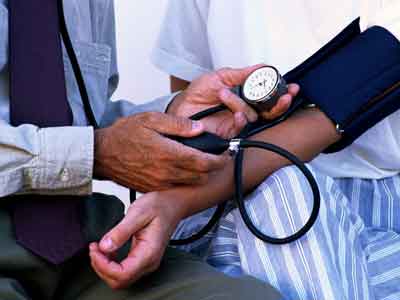
Because high blood pressure often shows no symptoms, many individuals remain unaware they have it. Regular home monitoring is therefore crucial, with readings below 135/85 mmHg considered healthy. While medication may still be required for some, lifestyle adjustments can reduce the need for—or the dosage of—drugs.
“If your blood pressure is only slightly too high, start with lifestyle changes,” says Al-Lamee. “I have patients who, after they’ve lost weight or dieted, need less medication than they did before.”