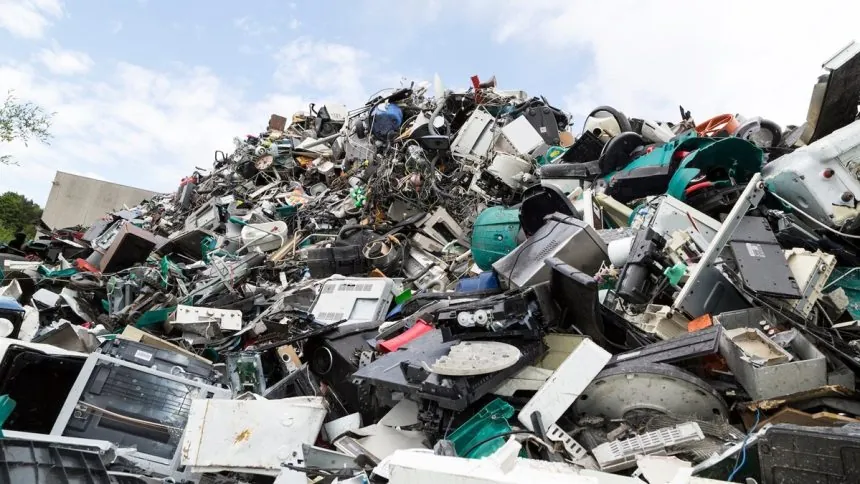
Children living in communities where electronic waste—from laptops and mobile phones to medical devices and car electronics—is routinely discarded or burned face a significantly higher risk of developing hypertension, new research has revealed.
A recent study found that children in e-waste zones are four times more likely to suffer from hypertension compared to those in non-exposed areas. The researchers attributed this alarming trend to the presence of toxic metals and volatile organic compounds (VOCs), which disrupt gut metabolic pathways and interfere with the body’s ability to regulate blood pressure.
Published in Environment & Health, the study explored how children’s exposure to heavy metals and VOCs from e-waste recycling activities affects blood pressure levels. The findings showed that children in e-waste regions had increased concentrations of metal(loid)s and VOCs in their bodies and a substantially higher likelihood of developing hypertension—underscoring the dangers of e-waste pollution in early life.
The research, conducted in October 2022, examined 426 children without a prior history of hypertension from a known e-waste recycling site in China. The team aimed to assess how combined exposure to volatile organic compounds and metalloids influences children’s blood pressure and to develop a model for identifying those at greater risk of hypertension.
To conduct the study, researchers collected fasting urine samples and measured blood pressure while also recording each child’s demographic and health information through questionnaires.
Laboratory analysis of the urine samples identified 18 different metal(loid)s—including lead, nickel, cadmium, and arsenic—along with compounds indicative of VOC exposure such as benzene and styrene derivatives. The results showed a hypertension prevalence of 12.7%, considerably higher than national averages, signaling serious ongoing health concerns in these regions.
Further statistical analysis revealed strong links between specific chemical exposures and blood pressure variations. Elevated urinary cobalt and gallium were associated with higher systolic blood pressure, while increased selenium and tin levels correlated with diastolic blood pressure changes.
Researchers noted that in many recycling nations, unsafe e-waste handling—particularly open burning and crude dismantling—releases hazardous substances that contaminate the environment and endanger nearby populations. The global surge in e-waste has therefore intensified both ecological degradation and public health risks.
Although hypertension remains a key modifiable factor in preventing heart and brain diseases, conventional explanations fail to fully account for its rising incidence among children. Emerging evidence shows that young people living near e-waste sites face greater hypertension risks, with early elevations in blood pressure potentially leading to long-term cardiovascular complications.
Toxic pollutants released from e-waste recycling, particularly VOCs and metalloids, are known to damage the cardiovascular system. When combined, their harmful effects may amplify through oxidative stress and other chemical mechanisms—heightening toxicity and worsening health outcomes for children in affected areas.