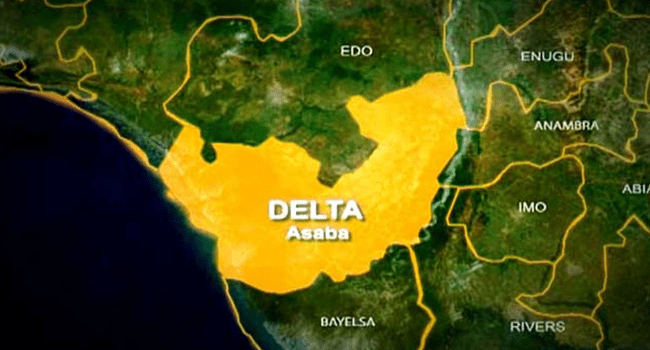
The Delta State Government has launched a new digital health initiative, Helium Doc A1, designed to enhance healthcare delivery in flood-prone and disaster-affected areas of the state.
The project was unveiled on Thursday in Asaba at an event attended by key health stakeholders and partners.
Speaking at the launch, the State Commissioner for Health, Dr. Joseph Onojaeme, represented by the Permanent Secretary of the Ministry, Dr. Philomina Okeowo, highlighted the increasing impact of climate-related disasters, particularly flooding, on the state’s health system.
“Our frontline health institutions are increasingly stretched. Our most vulnerable—pregnant women, the elderly, children, and those with chronic illnesses—face heightened risks when natural disasters disrupt services”, Onojeame said.
He emphasised the government’s commitment to developing a resilient healthcare system that can withstand climate shocks while remaining functional and accessible.
The newly introduced Helium Doc A1, developed in partnership with Helium Health and funded by the Global System for Mobile Communication Association (GSMA), is designed to bridge critical gaps in emergency healthcare delivery.
The system features USSD-based access, real-time health alerts, and telemedicine integration, enabling continued care even during infrastructure breakdowns caused by floods.
“The initiative empowers health professionals to deliver services during crises and equips communities with knowledge and access—two of the most powerful weapons in public health response,” Dr. Okeowo added.
Dr. Peter Ameh, Public Health Implementation Lead at Helium Health, stated that the launch marks a significant step toward enhancing disaster response in healthcare.
“Helium Doc A1 connects healthcare providers to communities in flood-affected areas, even when doctors are not physically available. It also allows providers to share emergency information directly with residents,” he explained.
He noted that the platform not only connects patients and doctors but also facilitates continuity of care during emergencies.
Also speaking at the event, the State Coordinator for the World Health Organisation (WHO), Dr. Moisule Hussaini Ganga, described the Helium Doc A1 project as a potential game-changer in emergency health response.
“This innovation brings real-time data analytics, AI-assisted triage, and telehealth capabilities into our emergency response framework,” Dr. Ganga said. “WHO sees this as a key tool in implementing the Health Emergency and Disaster Risk Management (H-EDRM) strategy.”
He assured that WHO would provide technical support, training, and coordination expertise to ensure the platform’s successful rollout in line with global best practices.