Nigeria’s healthcare system is at a precarious point, with no state scoring above 30 percent in health preparedness, according to the 2025 SBM Health Preparedness Index (HPI). The report shows the country is highly vulnerable to epidemics and pandemics, compounded by the ongoing brain drain of medical professionals.
The HPI evaluated the capacity of Nigeria’s 36 states to respond to health emergencies and deliver quality care, highlighting systemic weaknesses, infrastructural decay, and chronic underfunding. The highest score recorded was 26.85 percent.
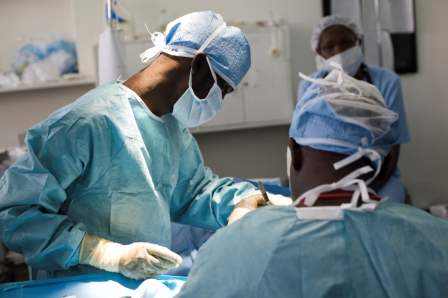
The report attributes much of this gap to the “Japa Syndrome,” driven by poor pay, insecurity, inadequate working conditions, and weak government intervention.
Northern states are the most vulnerable, with Kebbi (13.31) and Katsina (12.54) at the bottom. Ebonyi (12.85) ranks lowest in the South.
Abia tops the national ranking for the first time (26.85), followed by Ogun (23.52) and Lagos (23.08).
While Lagos spends the most on healthcare (over N221 billion), Imo (3.5%) and Bayelsa (4.1%) allocate the least of their budgets, highlighting inequities.
The report reveals a nationwide doctor-to-patient ratio of 1:15,361, far below the WHO standard of 1:1000. Northern states are worst affected; Bauchi has 1 doctor per 54,249 people. “This critically low ratio translates directly into overwhelmed hospitals, longer waiting times, misdiagnoses, and tragically, preventable deaths,” the report stated.
Shortages extend beyond doctors. “The situation is even more alarming for laboratory scientists, because for every ailment diagnosed, there are at least four tests conducted by different lab scientists per time,” a health expert observed.
The report warns that without urgent reforms—better pay, working conditions, and investment in infrastructure—the exodus of healthcare workers could intensify, threatening the collapse of healthcare systems and leaving millions without essential care.