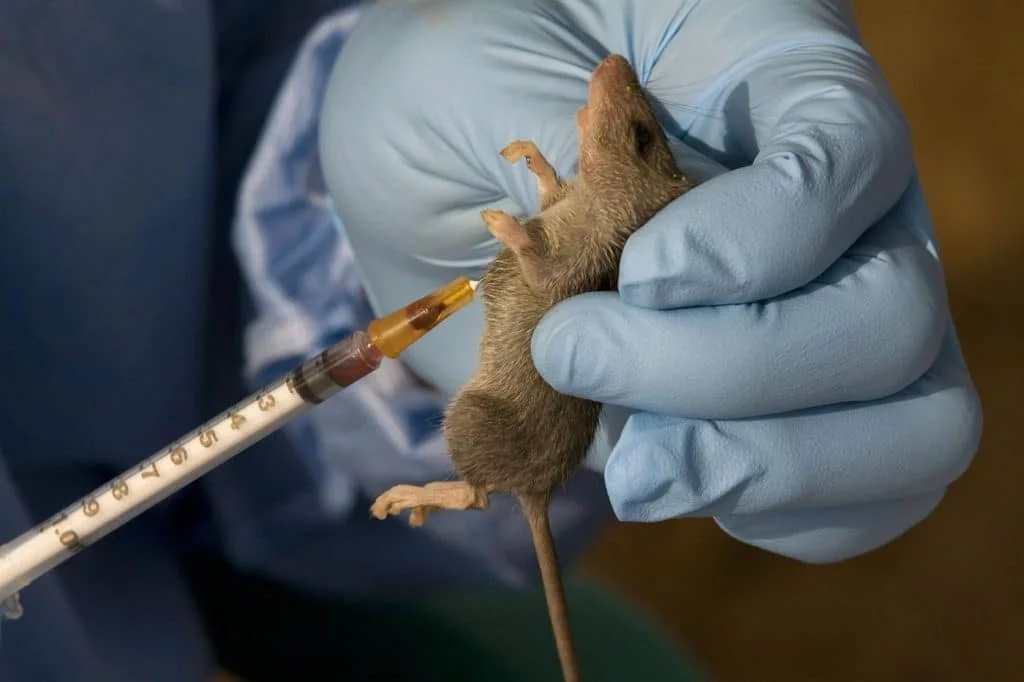
The Kano State Centre for Disease Control (KNCDC) has issued a public alert to residents following the onset of the 2025/2026 Lassa Fever season across Nigeria.
In a statement signed by its Director General, Dr Muhammad Adamu Abbas, the agency explained that the advisory came after a national alert from the Nigeria Centre for Disease Control and Prevention (NCDC), which highlighted that the risk of Lassa Fever transmission is typically high between October and May each year.
Lassa Fever, a viral infection, is primarily spread through food, water, or household items contaminated with the urine or faeces of infected rats. The disease can also be transmitted from person to person through contact with the blood or body fluids of an infected individual.
Dr Abbas noted that Kano’s environmental conditions make the state particularly susceptible to outbreaks. He appealed to residents to maintain good hygiene, keep their surroundings clean, and store food in tightly sealed containers to prevent rodent infestation.




“Anyone who has persistent fever or related symptoms should visit the nearest health facility immediately,” he said.
According to health experts, common symptoms of Lassa Fever include persistent fever unresponsive to normal treatment, sore throat, chest or abdominal pain, vomiting, diarrhoea, and unexplained bleeding from any part of the body. They also emphasised that early diagnosis and treatment significantly increase recovery chances.
Dr Abbas stated that “To prepare for possible cases, the Kano State Government has activated its Public Health Emergency Operations Centre (PHEOC) for Lassa Fever response. It has also stocked up on essential supplies such as personal protective equipment (PPE), antiviral drugs, and has started training health workers on case management and infection prevention. Community awareness campaigns and rodent control exercises are also underway in high-risk areas as part of the state’s ‘One Health’ response approach, which involves environmental and agricultural sectors.”
The KNCDC urged members of the public to report any suspected cases rather than resorting to self-medication. Dr Abbas further assured residents that Lassa Fever can be both prevented and treated when detected early, adding: “Together, we can keep Kano State free from Lassa Fever this season.”