The federal government has expressed renewed optimism about expanding health insurance coverage to more Nigerians through the National Health Insurance Authority (NHIA), citing its central role in improving national health outcomes and delivering on the Renewed Hope Agenda for equitable healthcare access.
This drive informed the inauguration of the NHIA Governing Council on Friday in Abuja, according to the Coordinating Minister of Health and Social Welfare, Prof. Ali Pate.
The inauguration comes amid a period of sustained growth for the NHIA, with Health insurance coverage rising to 20 million Nigerians in 2024, up from 16.8 million in 2023, with projections pointing toward surpassing the 2027 target set by the presidency.
More than 800,000 new beneficiaries have been enrolled in 2025 through the Basic Health Care Provision Fund, bringing the total number supported to 2.67 million.



Notable interventions include the integration of HIV and tuberculosis care into health insurance through pilot programs in five states, maternal health services reaching over 7,500 women across 200 facilities, and the implementation of a one-hour referral code to streamline service authorisation.
NHIA has also introduced a long-overdue tariff review, increasing provider payments by 93 percent for capitation and 378 percent for fee-for-service.
Additionally, the authority has resolved more than 80 percent of beneficiary complaints in 2024, a 21 percent improvement over the previous year and expanded digital systems and accreditation processes.
Speaking at the inauguration ceremony, Pate emphasised that the newly appointed Council would help consolidate ongoing reforms and scale progress toward achieving universal health coverage.
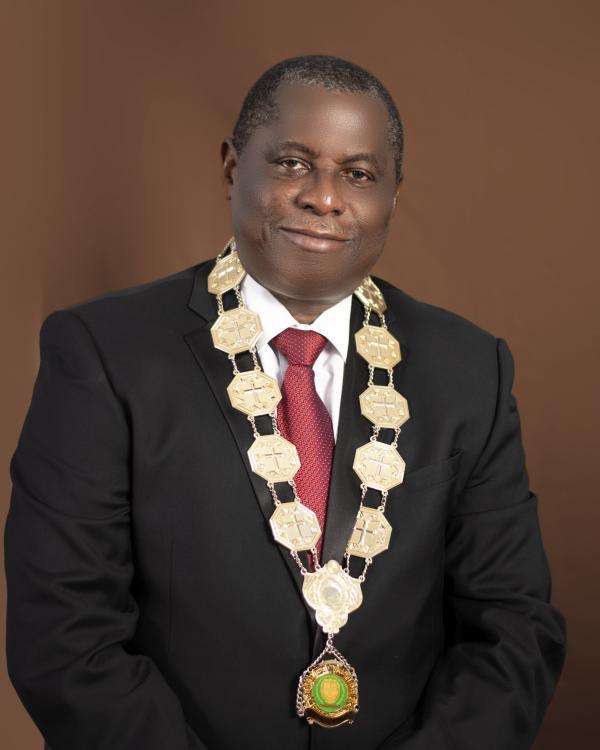
He said the appointment of seasoned professionals, led by Senator Dr Ibrahim Yahaya Oloriegbe as Council Chairman, reflects the administration’s commitment to strengthening the NHIA as a cornerstone of Nigeria’s healthcare delivery system.
“The work ahead is substantial, but the opportunity to make a real difference is even greater,” Pate said. “This Council must build on the foundation laid over the past year and a half, during which we have seen meaningful progress in provider payments, inclusion of vulnerable populations, and improved service delivery.”
He highlighted recent milestones achieved under NHIA’s current management, including increased enrolment, expanded maternal health services, and new initiatives targeting infectious diseases and service efficiency.
Council Chairman, Senator Oloriegbe, thanked the government for the confidence reposed in him and the board members. Reflecting on his role as a former legislator, he noted that the NHIA Act was one of four health bills he personally sponsored, alongside the Mental Health Act, the amendment to the Psychiatric Hospitals Act, and legislation establishing the Federal College of Alternative and Complementary Medicine.
“We understand the enormous responsibility before us, and we commit to delivering with diligence and integrity,” he said.
NHIA Director General (DG), Dr Kelechi Ohiri stressed that achieving universal health coverage required broad collaboration across government tiers, development partners, the private sector, and local communities.
“This is not the government’s job alone. It will take all of us working together to build a resilient and equitable health system that works for all Nigerians,” Ohiri said.
With health insurance schemes now active in all 36 states and the FCT, and the Council now fully inaugurated, NHIA is positioned to drive broader reforms, enhance service quality, and ensure that no Nigerian is left behind in the journey toward universal health coverage, the DG noted.